

Explore More Possibilities for Your Business
Full-cycle scenario construction to meet your needs from App research, development, and release to operation.
Ready for your soaring growth
If you released an app or mobile game in the last 12 months and noticed a sudden dip in organic installs or a shift in your keyword rankings, you are not imagining things. The App Store and Google Play have both made significant changes to how they surface apps in 2026, and indie developers are feeling the impact more than anyone.
Unlike large studios with dedicated UA teams and marketing budgets, indie developers typically rely on organic search to drive discovery. That makes staying current with algorithm changes not just useful but essential for survival in a crowded marketplace where millions of apps compete for attention.
This guide breaks down what has changed, why the data behind those changes matters, and what you can actually do about it. Whether you are building your first game or managing a portfolio of apps, the strategies here are designed to be practical and immediately applicable.
The temptation for many indie developers is to treat ASO as a one-time checklist: write a good title, add some keywords, upload your screenshots, and move on. That approach no longer holds up.
In 2026, both Apple and Google place increasing weight on behavioral engagement signals alongside traditional metadata relevance.
According to Apple, App Store search results are based on a combination of text relevance, including matches for your app's title, subtitle, keywords, and primary category, as well as user behavior signals including downloads, ratings, and reviews. It is not enough to rank for a keyword if users tap through and immediately bounce.
This shift makes data fluency a core skill for indie developers. You need to know which keywords are driving quality installs, which store listing elements are converting browsers into downloaders, and where your funnel breaks down. Without that visibility, you are essentially optimizing in the dark.
That is precisely why tools purpose-built for indie developers, like the ASO and app analytics suite on FoxData, have become increasingly important. They translate raw App Store data into actionable insight that a solo developer or a small team can actually use.
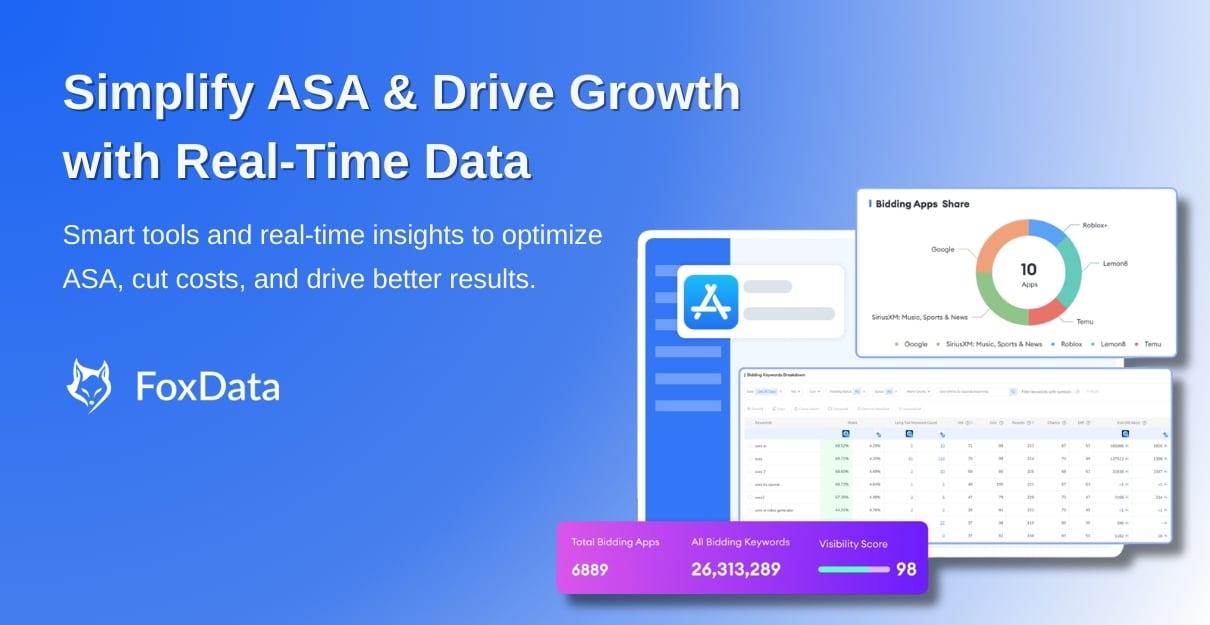
Discover keyword opportunities, monitor competitors, and improve campaign performance using FoxData’s ASA analytics tools.
Apple has continued to refine its semantic understanding of app metadata. In 2026, keyword stuffing in the subtitle or keyword field no longer provides the ranking lift it once did.
Apple's official guidance is direct on this point: developers should choose keywords based on words users may use to find an app like theirs, and be specific when describing features and functionality to help the search algorithm surface the app in relevant searches.
The platform actively discourages repeating words already used in the app name, subtitle, or category, noting that these are considered duplicates and waste your limited 100-character keyword field.
What this means in practice is that, your app's metadata needs to communicate a coherent topic cluster, not just individual keywords. A casual puzzle game optimized around "puzzle," "brain," and "casual game" will perform better if the screenshots, feature list, and description all reinforce that thematic identity consistently.
Apple's own data indicates that search accounts for approximately 65% of all App Store downloads, making keyword strategy the single highest-leverage optimization area for organic growth. Targeting a tight cluster of high-intent, mid-volume keywords outperforms chasing broad, highly competitive terms that large publishers dominate.
One of the most significant algorithm-level changes confirmed in 2025 and carrying into 2026 is that screenshot caption text is now actively indexed by Apple's search algorithm.
This means the copy you write in your screenshot captions contributes directly to keyword ranking, not just conversion. If your captions are currently generic or purely decorative, they represent untapped ranking potential.
Additionally, Apple now indexes in-app events and evaluates their relevance to user search queries. Tournaments, seasonal promotions, content drops, and live challenges can all appear in search results, expanding your app's discoverability footprint beyond its standard product page.
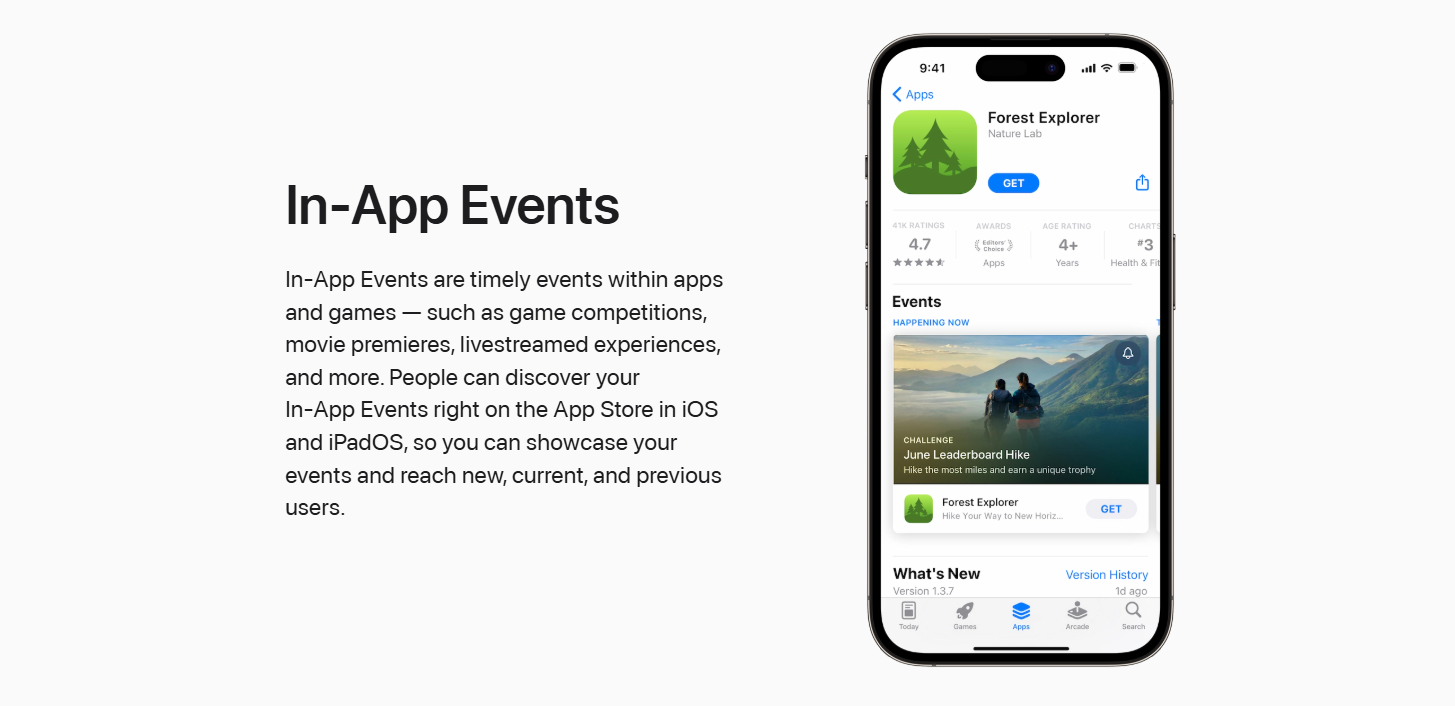
Apple notes that in-app events can appear in search results, editorial content, and user feeds, making them one of the most underutilized discovery tools available to indie developers today.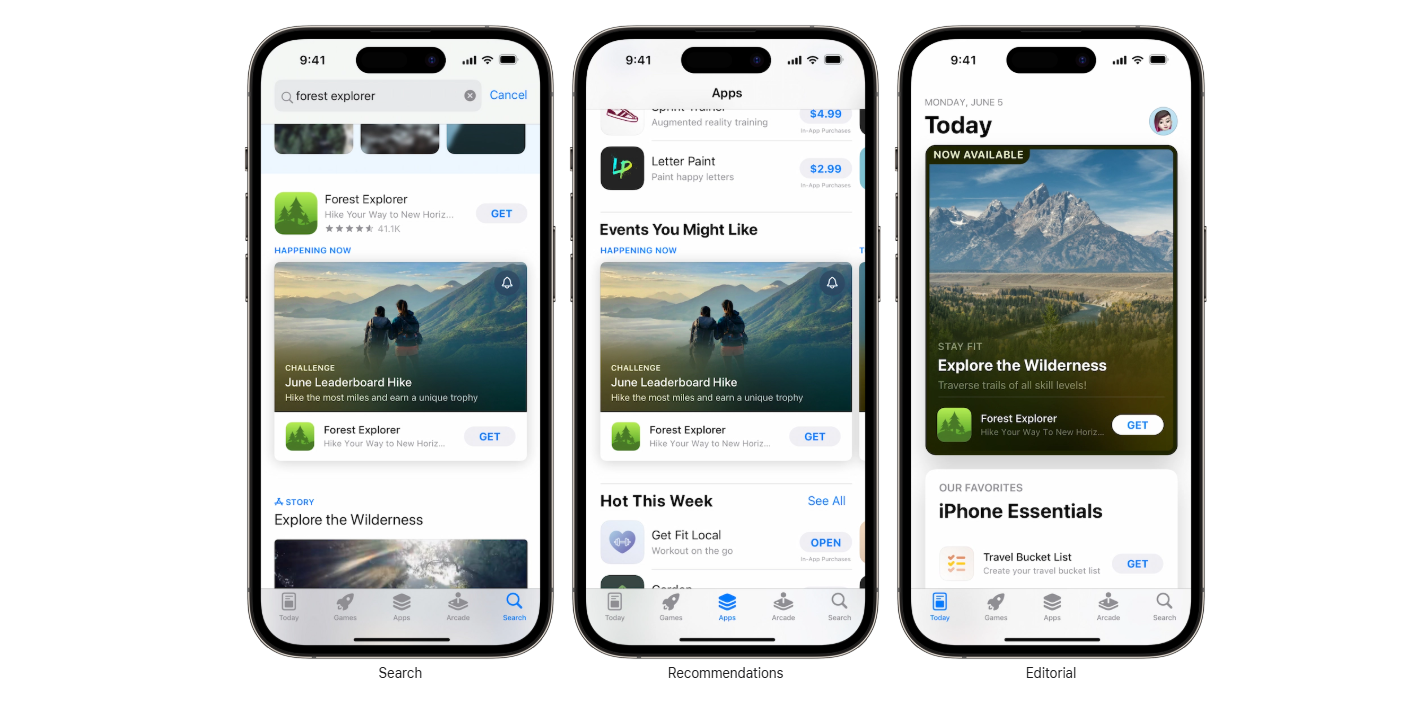
Google Play has made its quality-to-discoverability relationship explicit in its documentation. According to the Android Developers documentation, if your app or game exceeds Google Play's defined bad behavior thresholds for crashes, ANRs (app not responding events), or excessive battery usage, Play may reduce the visibility of your title and show users a warning directly on your store listing.
This is not a soft penalty. Google Play has defined specific numeric thresholds: if at least 0.47% of daily active users experience a user-perceived ANR across all device models, an app is considered to have exceeded the overall bad behavior threshold and is likely to become less discoverable on all devices.
For indie developers shipping with lean QA processes, these benchmarks deserve close attention at every release.
Google's technical quality documentation reinforces this further: the discoverability of your app or game might be limited on devices where your performance metrics exceed Google Play's bad behavior threshold, and a warning might be shown on your store listing on those devices. Technical quality is not a separate track from marketing visibility. It is part of the same ranking system.
Notably, Google's Android Vitals documentation also flags that apps with excessive partial wake locks may see store visibility impact starting from March 1, 2026, a recently activated threshold that many developers may not yet be aware of.
Both Apple and Google have moved toward a hybrid discovery model that blends editorial curation with algorithmic ranking. For indie developers, this is a real opportunity. Apple's Today tab and curated collections now use engagement and quality signals to surface smaller apps alongside big-name titles, provided those apps hit certain benchmarks.
Google Play similarly rewards quality through its Level Up program for games, which provides increased discoverability across Play Games surfaces for titles that meet user experience guidelines around player continuity, cross-device support, and engagement depth.
Google confirmed in March 2026 that it is revamping the Level Up program, signaling continued investment in surfacing high-quality game experiences through both editorial and algorithmic channels.
The benchmarks that matter most on both platforms include crash-free session rate, app size relative to category norms, and first-session user retention. An indie game that launches clean, loads fast, and retains users through the first session has a genuine shot at editorial adjacency in 2026.
Knowing what has changed is only useful if you know how to respond. Here is a repeatable workflow for indie developers adapting to the 2026 algorithm landscape.
Step 1: Audit your current keyword footprint. Use an ASO tool to identify which keywords your app currently ranks for, at what position, and what the estimated search volume is for each. Flag any keywords where you rank between positions 6 and 15, as these are your highest-leverage improvement targets.
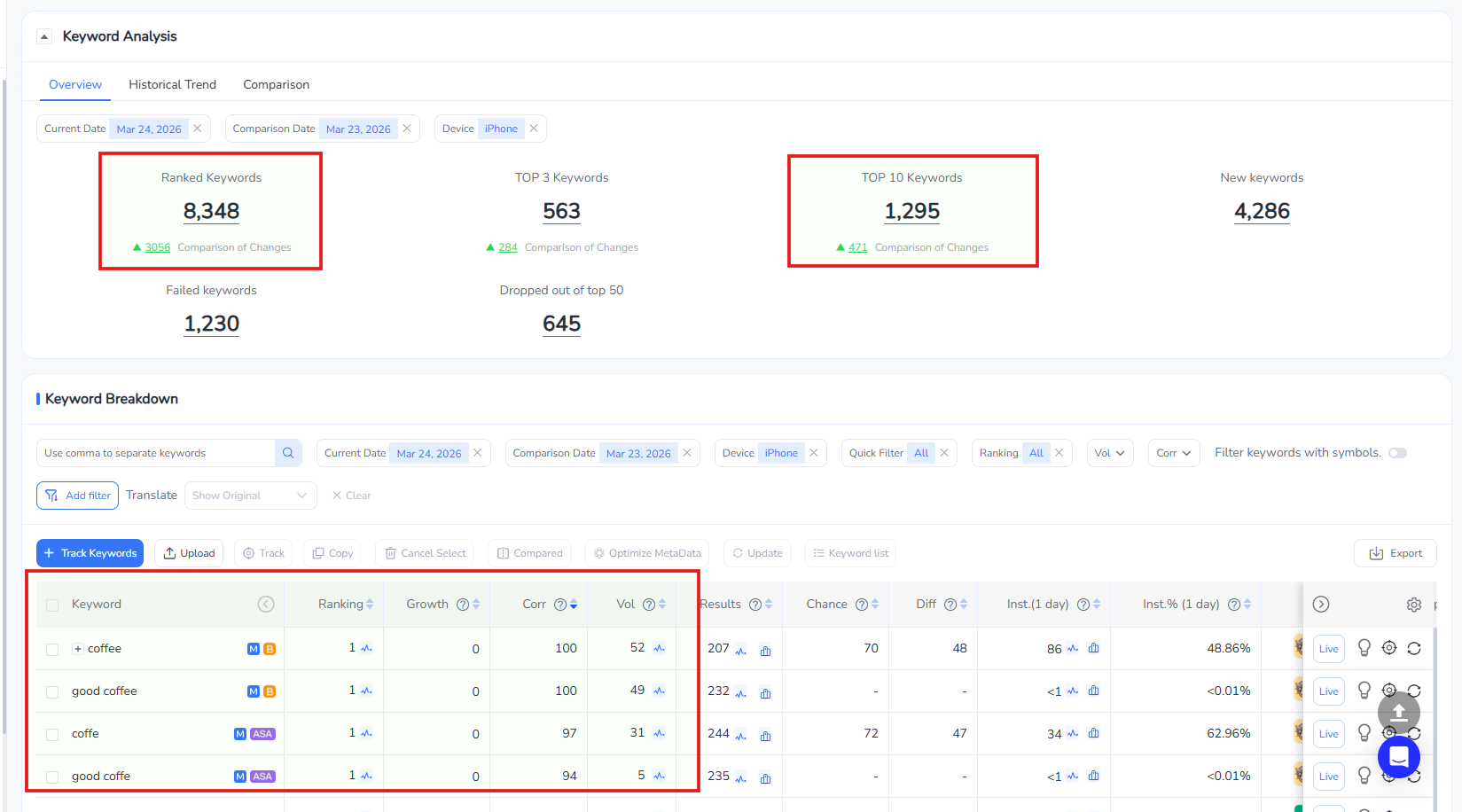
Step 2: Analyze competitor listings systematically. Look at the top three to five apps in your category and map the keywords present in their titles, subtitles, and visible descriptions. Identify gaps: keywords they are not targeting that have meaningful search volume relative to your niche.
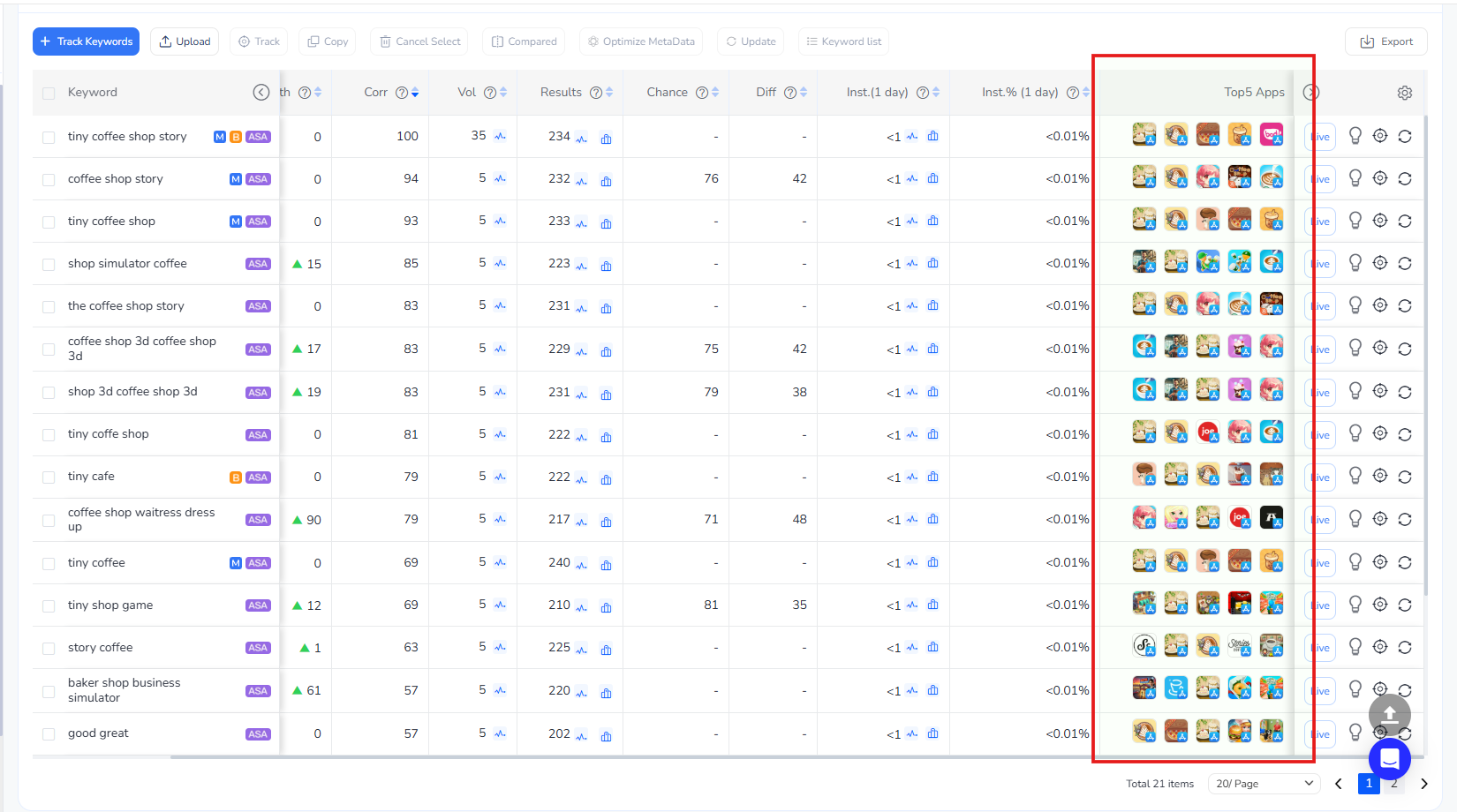
For indie developers, niche keyword clusters consistently outperform broad terms on both conversion and ranking velocity.
Step 3: Audit your screenshot captions for keyword value. Given that Apple now indexes caption text as a ranking signal, review each caption for keyword alignment with your target terms. Every caption is a small piece of metadata real estate. Rewrite purely visual captions to communicate a feature benefit while incorporating relevant search terms naturally.
Step 4: Monitor your technical quality metrics alongside your rankings. On Google Play especially, connect your Play Console crash and ANR data to your ranking performance. If you see a ranking drop, check whether a recent build pushed your stability metrics above the bad behavior threshold before assuming it is a keyword or creative issue.
Step 5: Track install sources and connect them to retention data. Organic installs from App Store search often produce different retention profiles than paid or referral installs. Understanding that split helps you prioritize where to invest optimization effort.
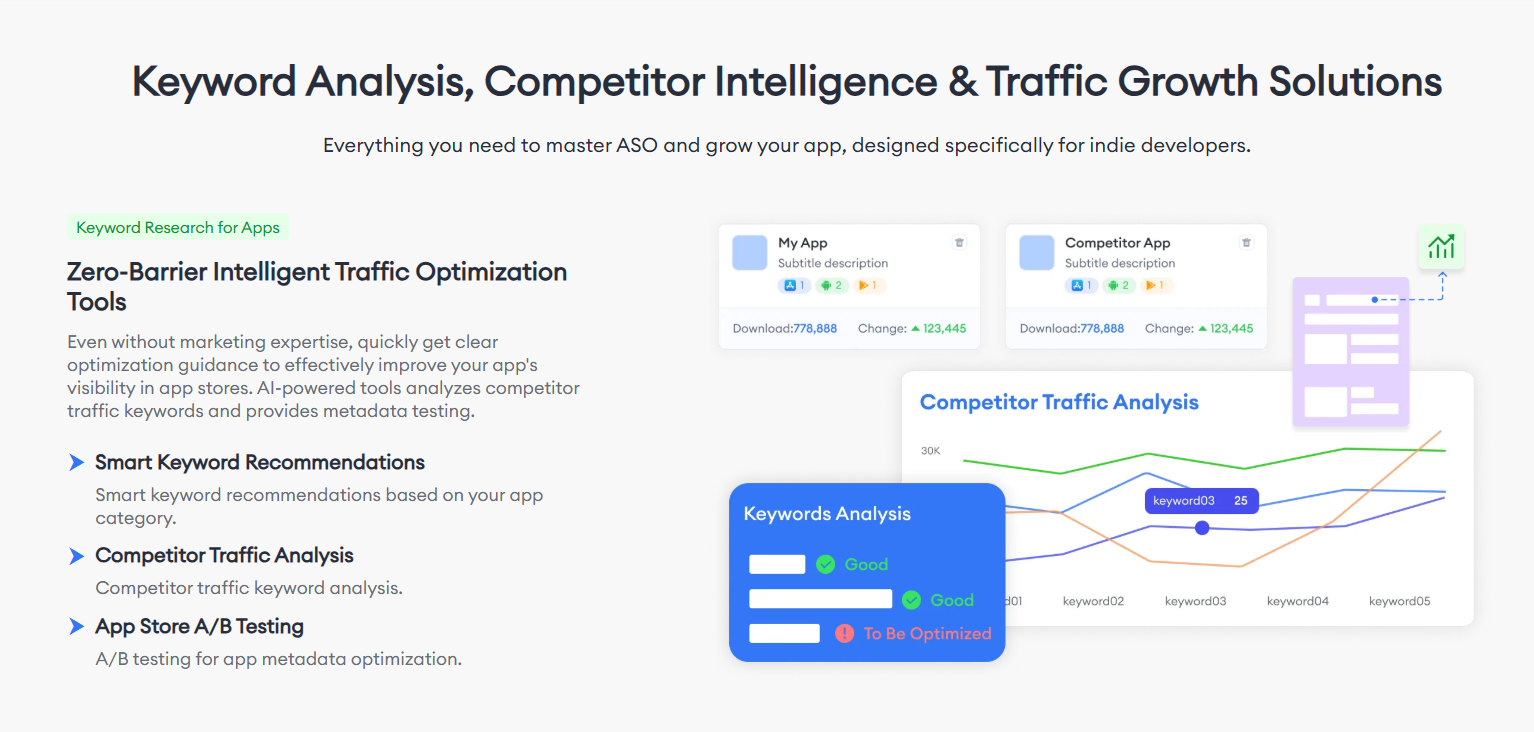
The indie developer analytics and ASO toolkit on FoxData is designed to support exactly this kind of structured workflow, bringing keyword tracking, competitor intelligence, and store performance monitoring into a single platform built with smaller teams in mind.
Ignoring localization as an ASO lever. Many indie developers optimize their English metadata and stop there. Localization, particularly for markets like Japan, South Korea, Germany, and Brazil, can unlock significant organic growth. Research shows that localized app listings generate substantially higher conversion rates in non-English markets. You do not need to translate every asset, but localizing your title, subtitle, and first three screenshots is a high-ROI starting point.
Over-indexing on installs and ignoring quality signals. Buying cheap installs to boost ranking worked in earlier algorithm versions. In 2026, it actively hurts you if those installs produce low retention and poor engagement. The algorithm now penalizes install patterns that do not convert into engaged users.
Treating ASO as a launch activity rather than an ongoing program. App Store optimization is not a one-time task. Algorithm weights shift, competitor behavior changes, and seasonal search trends evolve. Developers who review and update their metadata quarterly consistently outperform those who set it and forget it.
Neglecting the long-tail keyword opportunity. Indie developers with limited authority in their category often try to rank for the same high-volume terms as major publishers. A more effective strategy is building a strong position across 15 to 20 long-tail keywords where competition is lower and user intent is clearer.
Skipping screenshot caption optimization after the 2025 algorithm update. Since Apple began indexing caption text as a ranking factor, leaving captions generic is a missed opportunity for both keyword coverage and conversion. Treat every caption as a metadata field, not just a design element.
Ignoring Google Play's Android Vitals thresholds entirely. Many indie developers do not realize that exceeding Google's defined stability bad behavior thresholds directly reduces store visibility and can trigger user-facing warnings on the store listing. According to Google's own developer documentation, apps exceeding the ANR or crash rate bad behavior thresholds are likely to be less discoverable on all devices [3]. Technical health and marketing performance are now inseparable on Google Play.
App Store algorithm changes in 2026 are not designed to punish indie developers. They are designed to surface quality apps that users genuinely want. The developers who adapt fastest are those who treat ASO as an ongoing, data-driven discipline rather than a checklist item.
Understanding how keyword relevance, engagement signals, review velocity, technical quality benchmarks, and store creative all interact within the current algorithm gives you a meaningful edge. Apple has confirmed that search results combine text relevance and user behavior signals. Google has tied crash rates and ANR thresholds directly to store visibility. These are no longer soft best practices. They are documented ranking factors stated plainly in each platform's own documentation.
The gap between knowing and doing is where most opportunities are lost. Having the right data infrastructure makes that gap much smaller.
Ready to bring structure and precision to your App Store optimization strategy? Explore the mobile app analytics and ASO platform built for indie developers at FoxData and start tracking the metrics that actually move your rankings.
Q: How often does the App Store algorithm update, and how do I know when it happens?
Neither Apple nor Google publishes official algorithm update schedules. Apple has stated directly that it is constantly evolving how search works on the App Store to provide the best results, which means changes can happen throughout the year without announcement. Monitoring your keyword ranking data on a weekly basis is the most reliable way to detect algorithm changes early.
Sudden position shifts across multiple keywords simultaneously are a strong indicator of a platform-level change rather than a competitor movement.
Q: Do ratings and reviews directly affect App Store search rankings?
A: According to Apple's developer documentation, ratings and reviews can influence how your app ranks in App Store search. On Google Play, technical quality metrics including crash rates and ANR rates are confirmed to directly affect discoverability. Either way, maintaining a healthy, recent review profile and strong stability metrics matters for both ranking and conversion on both platforms.
Q: How does Google Play's bad behavior threshold affect discoverability specifically?
A: Google Play's Android Vitals system tracks stability and performance issues at the device level. When your crash rate or ANR rate exceeds defined thresholds, the platform explicitly reduces your app's discoverability and may display a warning to users on your store listing.
This applies across your entire user base regardless of app version, meaning a bad update can affect visibility for all users until metrics recover. Developers should monitor Android Vitals in Play Console after every release.
Q: Can a small indie studio realistically compete with large publishers in App Store search?
A: Yes, with the right strategy. Large publishers dominate broad, generic keywords. Indie developers who focus on specific niches, genre sub-categories, or audience-specific language can rank in positions that large publishers do not bother to target. The key is selecting keywords with meaningful volume in your niche.
Apple's guidance on keyword selection emphasizes specificity over breadth, noting that being specific when describing your app's features and functionality helps the algorithm surface your app in relevant searches. Consistent metadata optimization combined with strong retention and technical quality is a viable path to sustainable organic growth for teams of any size.
© 2020-2026 FoxData. All Rights Reserved.