






Explore More Possibilities for Your Business
Full-cycle scenario construction to meet your needs from App research, development, and release to operation.
Ready for your soaring growth
🔍 Curious how your AI app stacks up?
👉 Boost your app with FoxData AI App Marketing Tools — smarter keywords, sharper insights, faster growth.
Watching videos is effortless. But creating one polished enough for YouTube, TikTok, or even corporate training usually takes editing skills, time, and a team.
In 2025, text-to-video AI apps are breaking that barrier. With a single prompt, anyone can generate videos in minutes. From indie creators to enterprises, these tools are transforming how stories, ads, and tutorials get made. But since the app market shifts quickly, marketers need both the right tools and the right data to stay ahead.
That’s where FoxData helps — offering insights on installs, keywords, and user behavior to track growth opportunities before competitors.
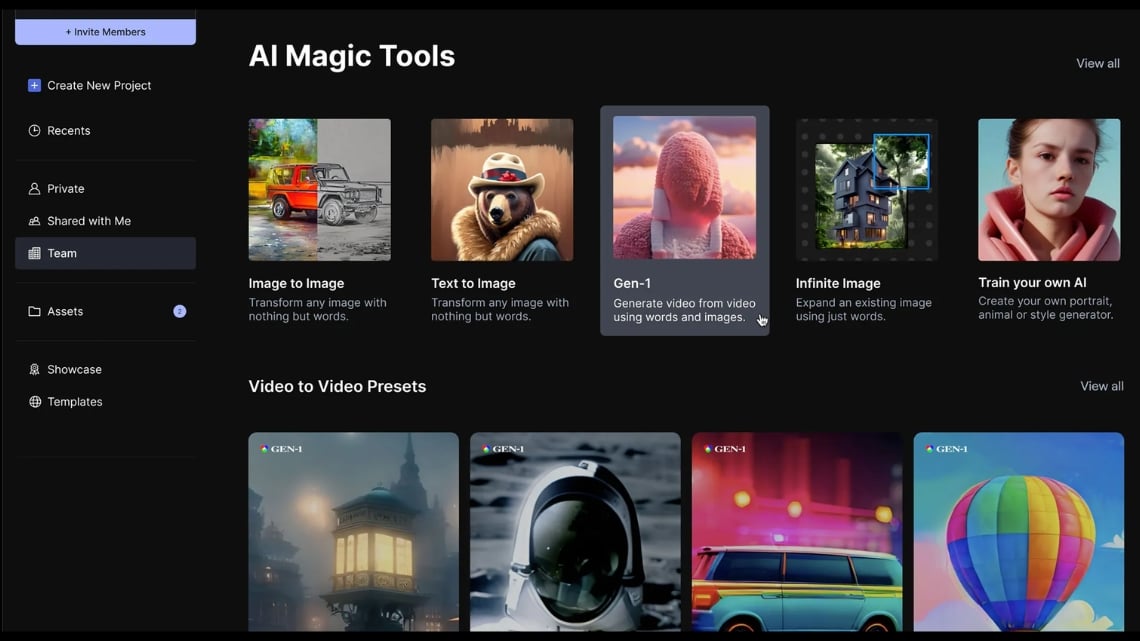
Runway, developed by Runway ML, pioneered text-to-video with its Gen-2 model, famous for producing photorealistic clips. TikTok creators, ad agencies, and indie filmmakers use it for cinematic shorts. Its “Act One” feature maps real performances onto AI avatars, raising production value without expensive sets.
🔍 Find out more about Runway
👉 Curious when Runway spikes in installs after a model update? Track it live on FoxData Top Apps
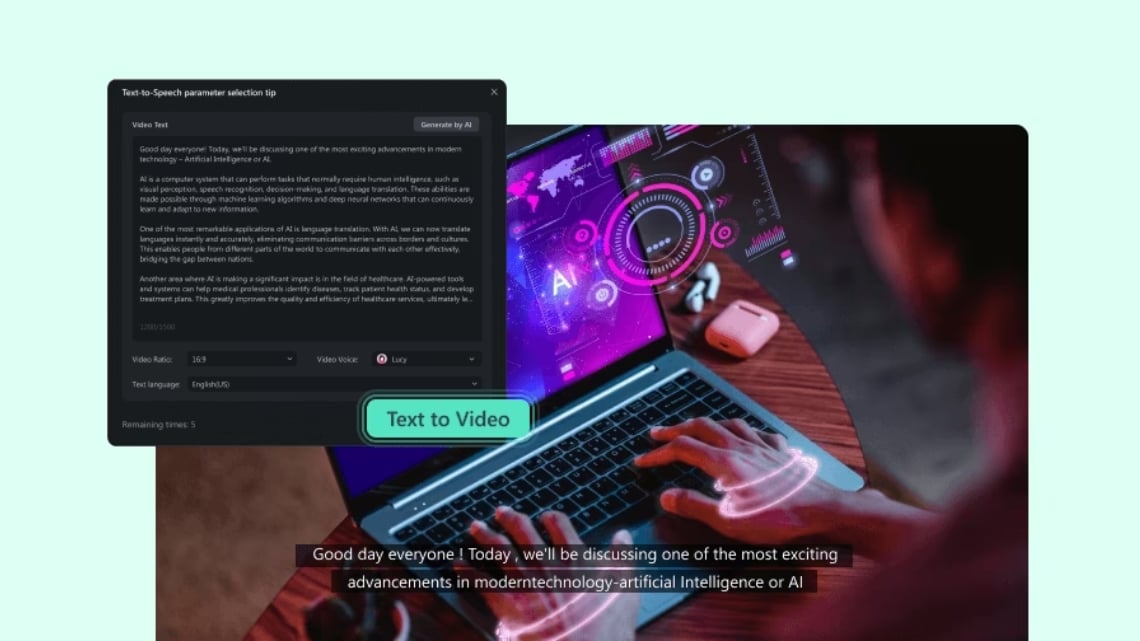
Filmora has long been a staple for beginners, but its AI upgrades made it more competitive in 2025. Text-to-video, motion tracking, silence detection, and auto beat-sync make it a fast, professional tool for YouTubers and marketers.
🎥 Learn more about Filmora
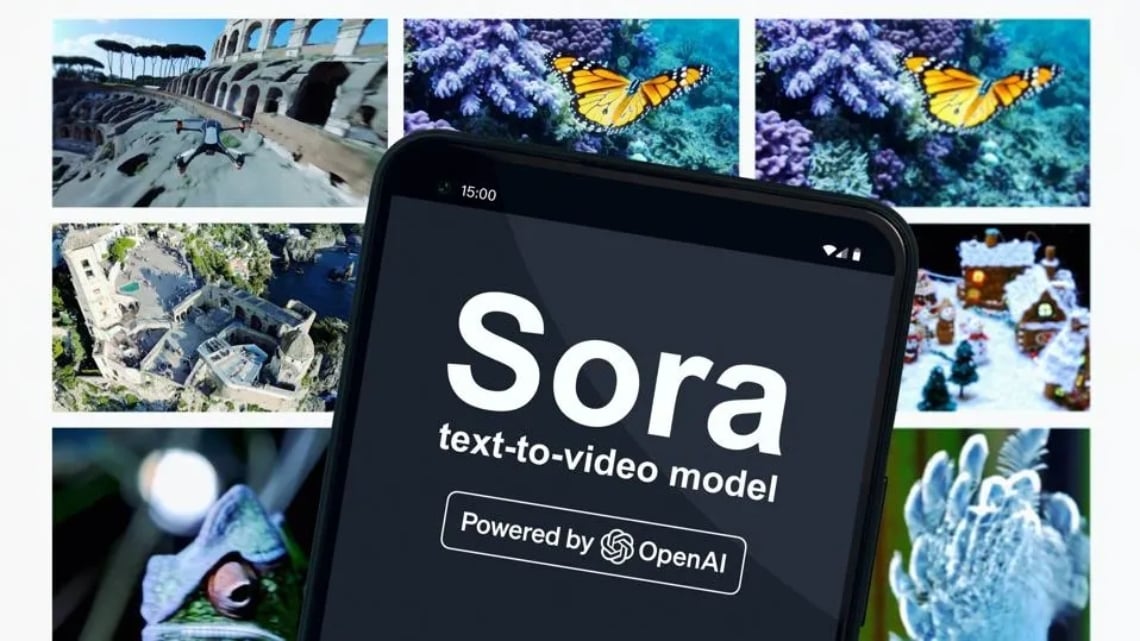
Sora, OpenAI’s text-to-video model, lets users create either full videos from one prompt or build them scene by scene with a storyboard. This flexibility appeals to storytellers and agencies. Community remixing boosts collaboration, though human animations still lack fluidity.
🤖 Related read: Is Art Dead Again? Will the Industrial Revolution of the 21st Century Come Due to AI?
Kling AI, developed in China, is rapidly gaining traction in China, Hong Kong, and Southeast Asia. Positioned as a Runway/Sora competitor, its strength lies in localization and regional adoption.
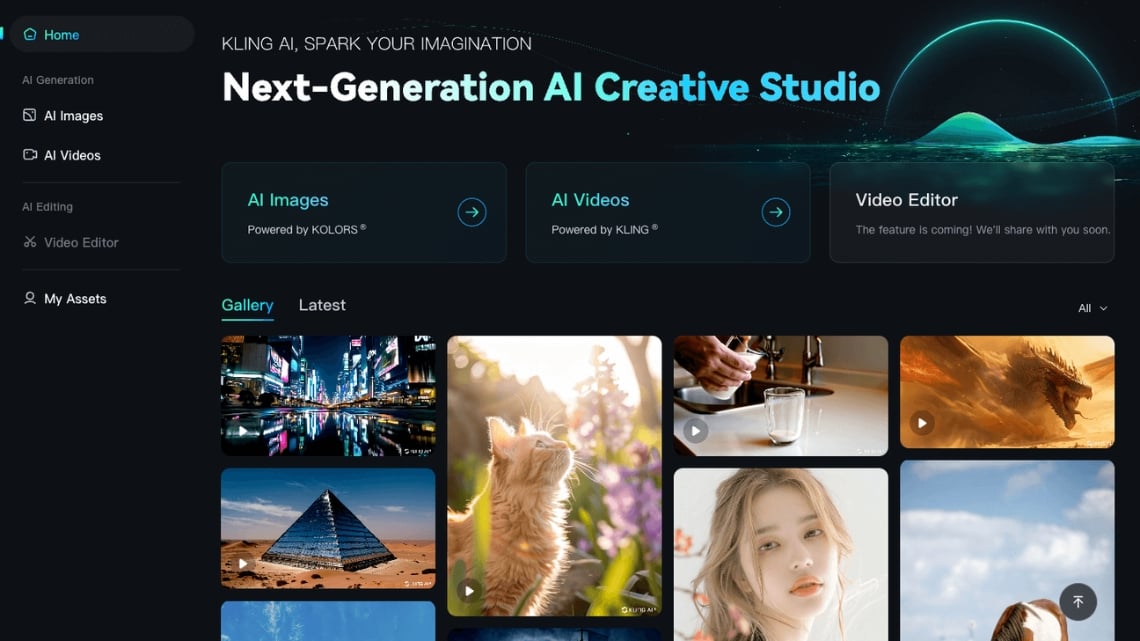
🔗Kuaishou Debut Kling AI 2.0: A Strategic Leap in China's AI Video Race
FoxData- Global Overview shows Kling AI competing with 22 rivals in photo & video and AI art generation. But most competitors fail to convert visibility into downloads or revenue, exposing a fragmented market. The real test for Kling AI is whether it can scale beyond Asia and position itself as a serious global challenger in generative AI.
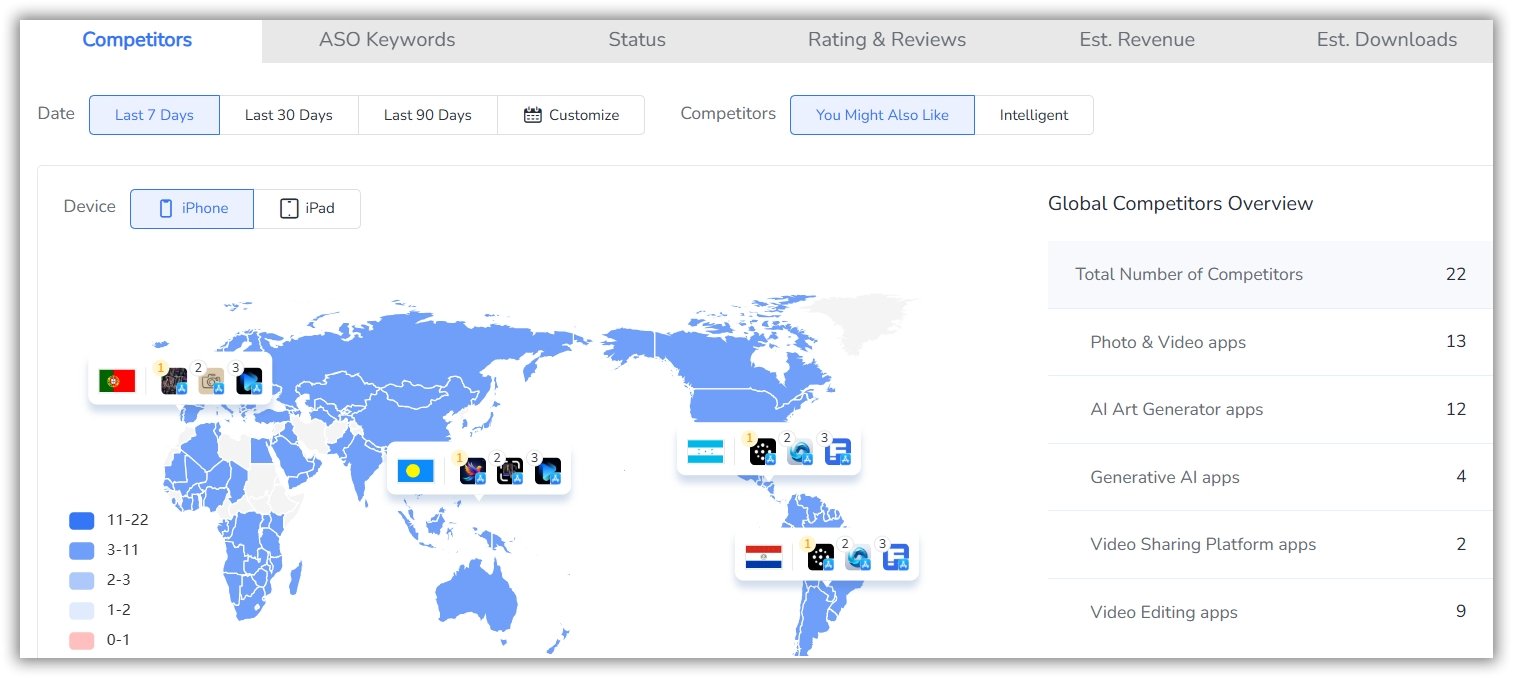
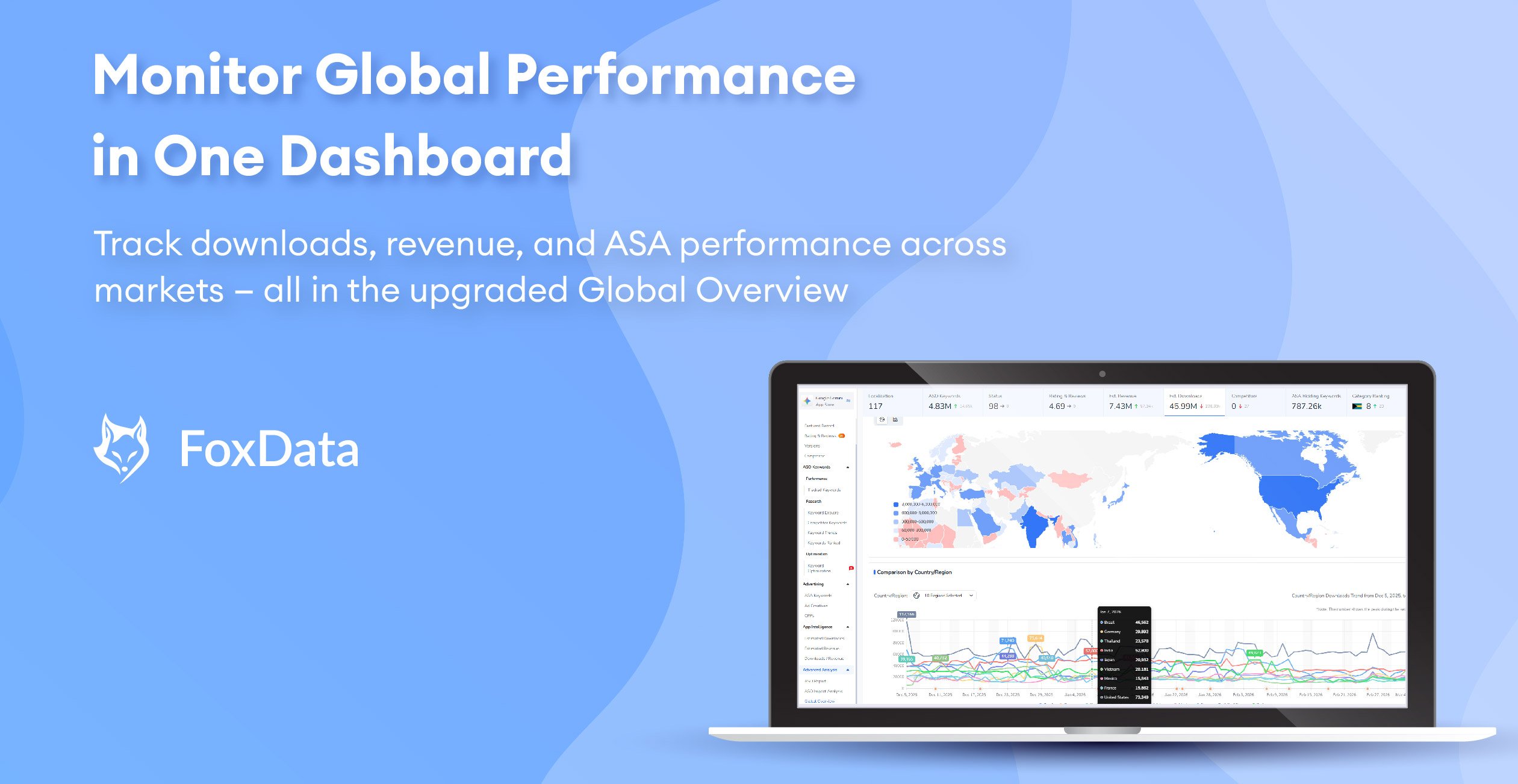
Get the latest updates in Global Overview, with all features included in the $159 package—track global app trends with ease and explore now!
Synthesia is the leader in corporate explainer and training videos. With 120+ languages and ISO-certified data security, it’s trusted by enterprises worldwide. Its AI avatars look natural enough for HR onboarding, tutorials, and marketing explainers.
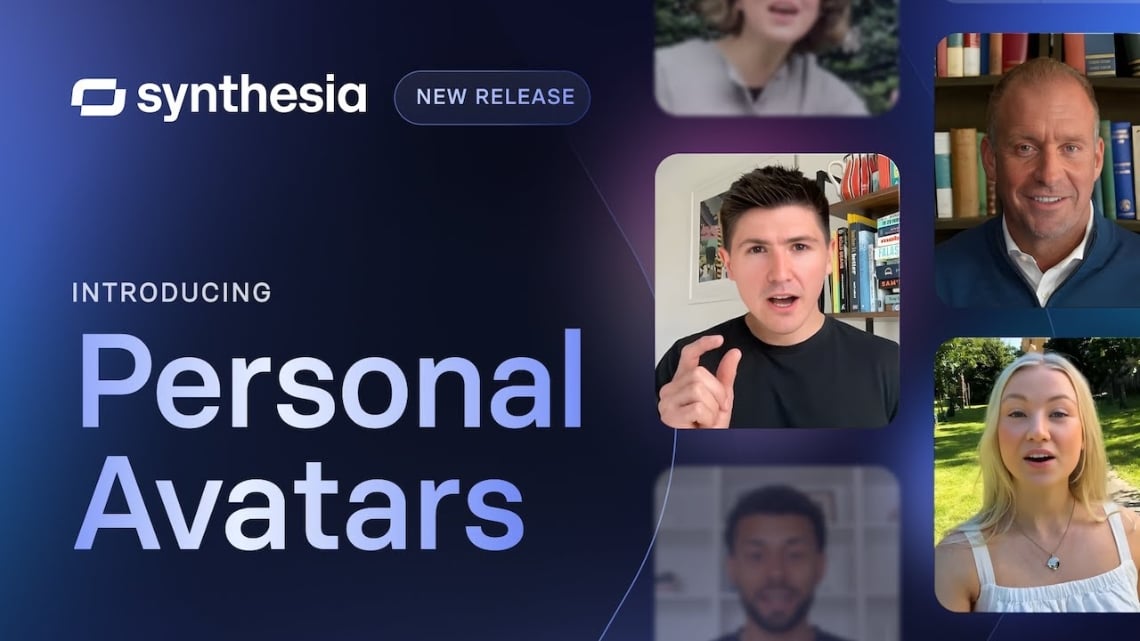
👉 Explore more about Synthesia
InVideo AI 3.0 writes scripts, sources stock videos, adds transitions, and voiceovers—all from a one-line idea. It’s designed for creators who need daily uploads across Shorts, TikTok, and Instagram.
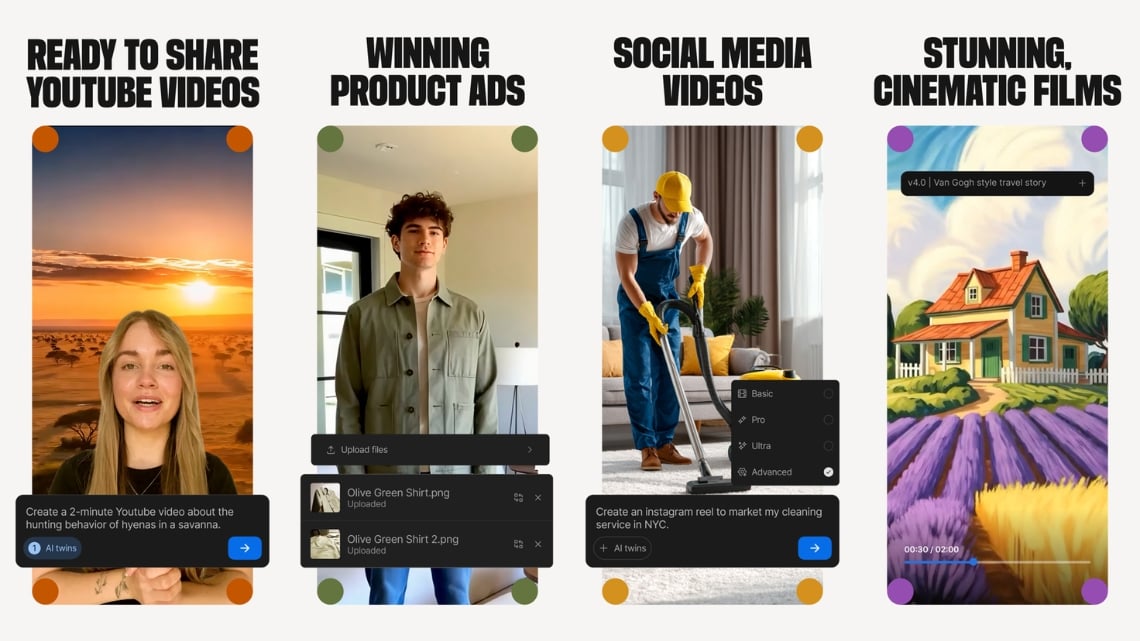
🔍 What is invideo AI
Vyond is the go-to for animated explainers. With its AI-powered “Vyond Go,” type an idea and get a ready-made animated video — complete with avatars, script, and narration. It saves businesses from hiring expensive animation teams.
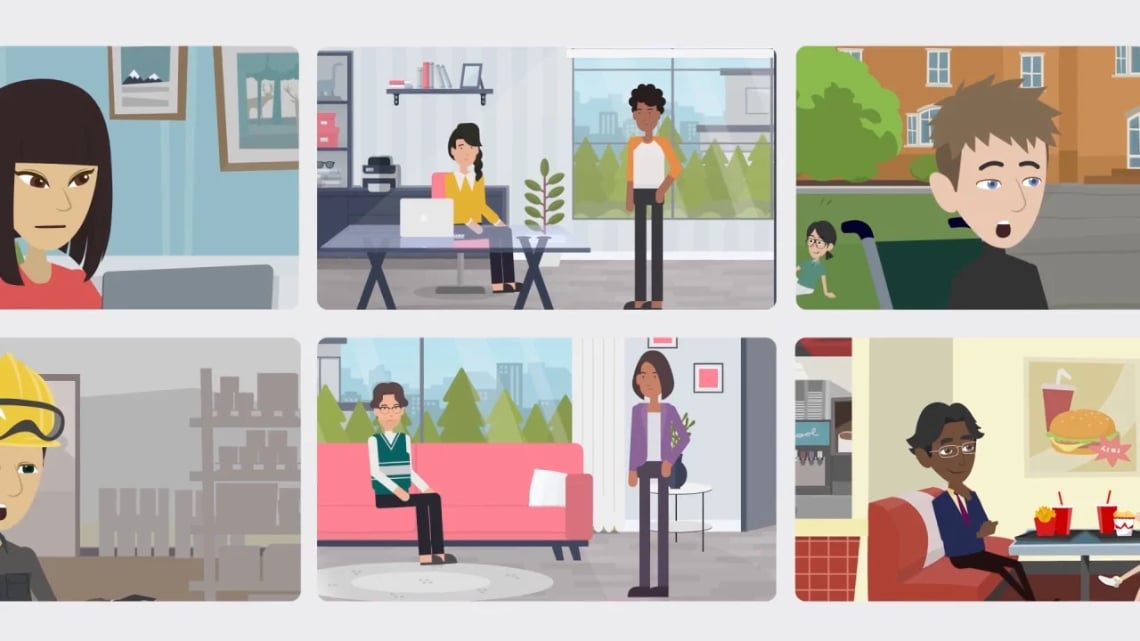
🎥 Discover Vyond Mobile AI video maker
Revid.ai began as a TikTok helper but is now a multi-platform automation engine. It repurposes YouTube videos into shorts, Reddit/X posts into clips, and even runs in Auto Mode to publish daily content.
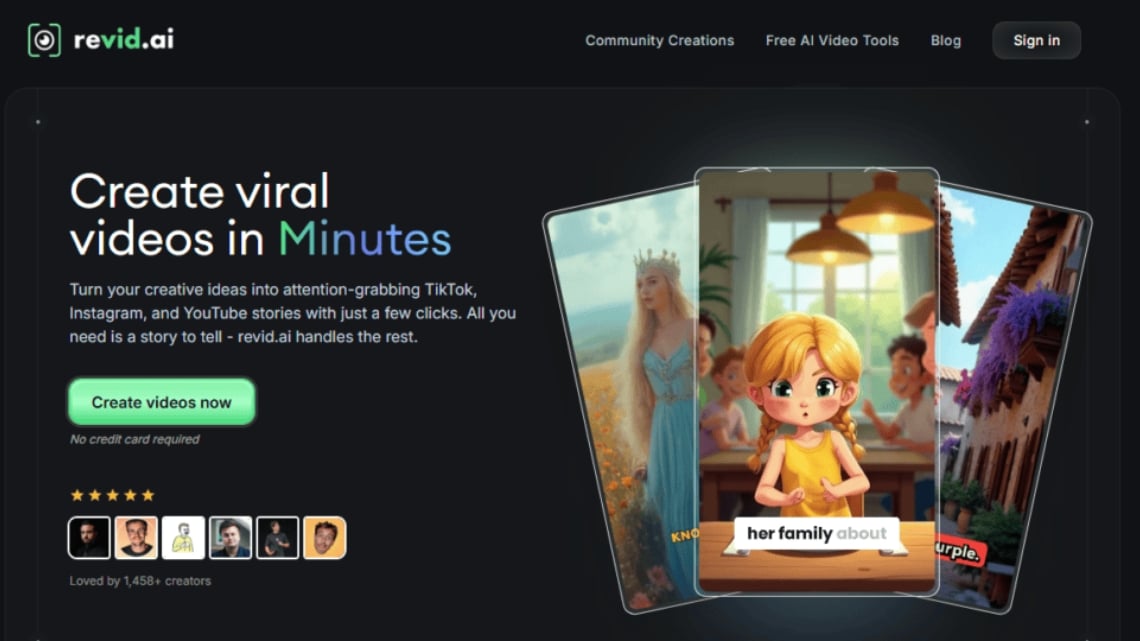
AI isn’t just transforming how videos are made — it’s reshaping how apps are marketed.
With FoxData AI Tools, you can:
✅ AI-Powered Keyword Recommendations – analyze competitor keywords + market trends to find growth gaps.
✅ Rapid AI Replies – auto-generate human-like responses to reviews, boosting ratings.
✅ AI-Driven Review Summaries – extract pain points, praise, and bugs instantly.
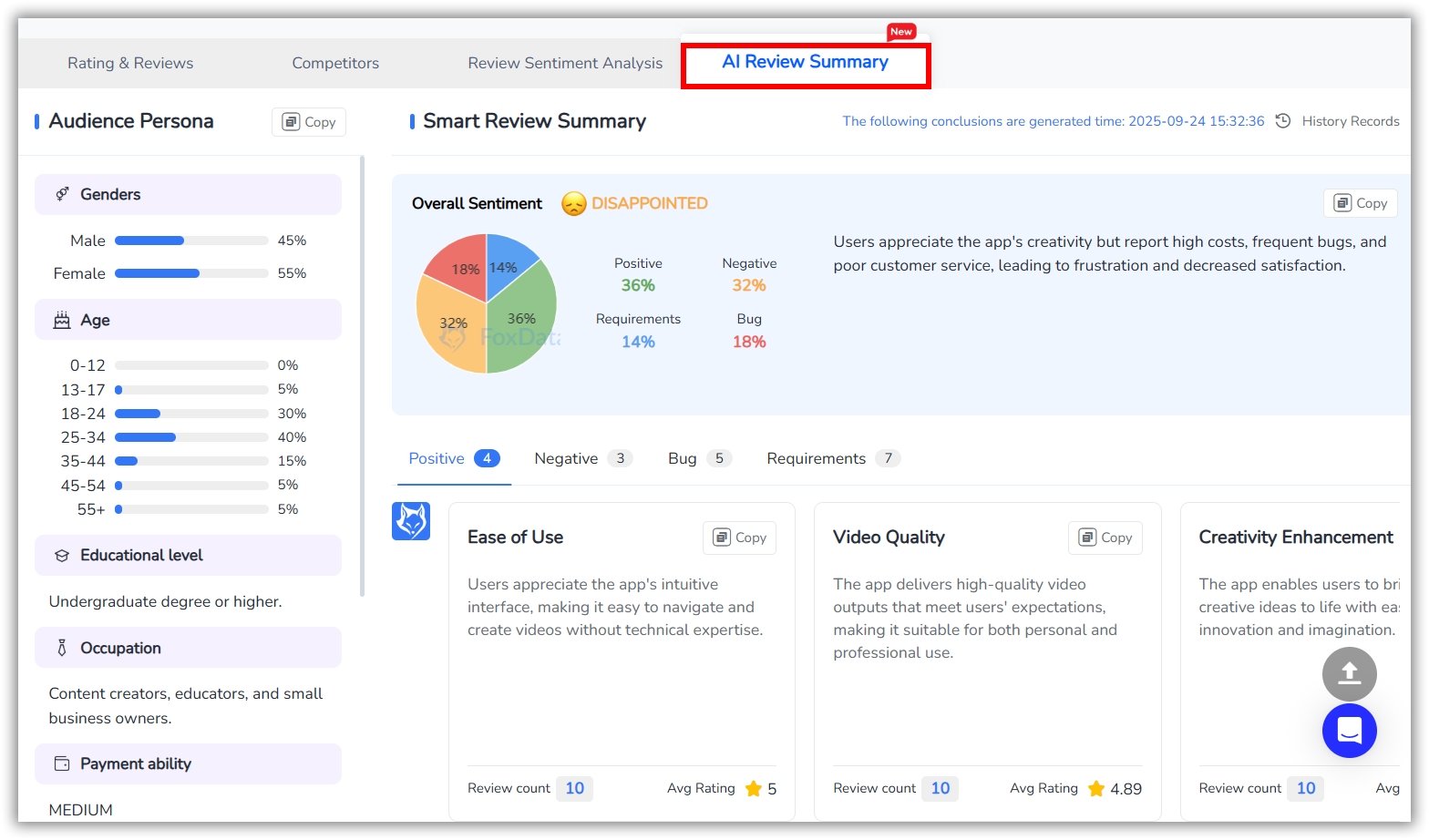
The top 8 text-to-video AI apps in 2025 are transforming how content is made. Each tool offers something unique, from cinematic realism to daily automation.
👉 Ready to grow your own app? Start free with FoxData and discover why leading marketers rely on us to predict growth trends, track installs, and outpace rivals.
📣 Don’t miss these:
© 2020-2026 FoxData. All Rights Reserved.