



Explore More Possibilities for Your Business
Full-cycle scenario construction to meet your needs from App research, development, and release to operation.
Ready for your soaring growth
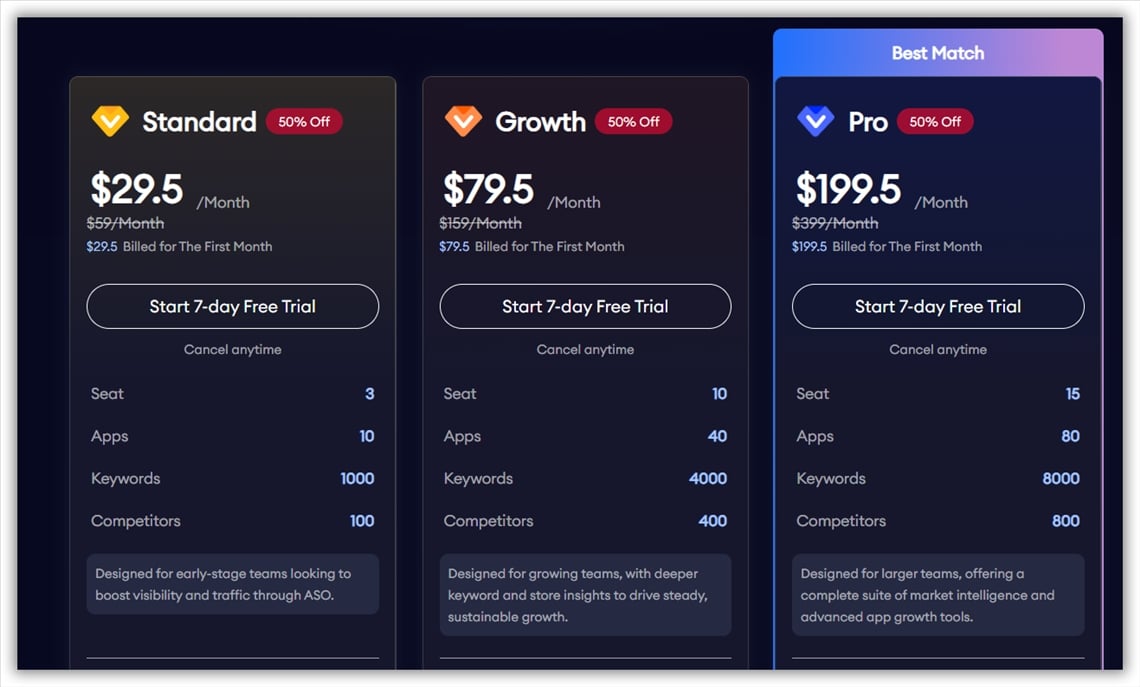
FoxData Black Friday 2025 is live — Up to 50% OFF.
Pick your plan now and scale your global growth faster.
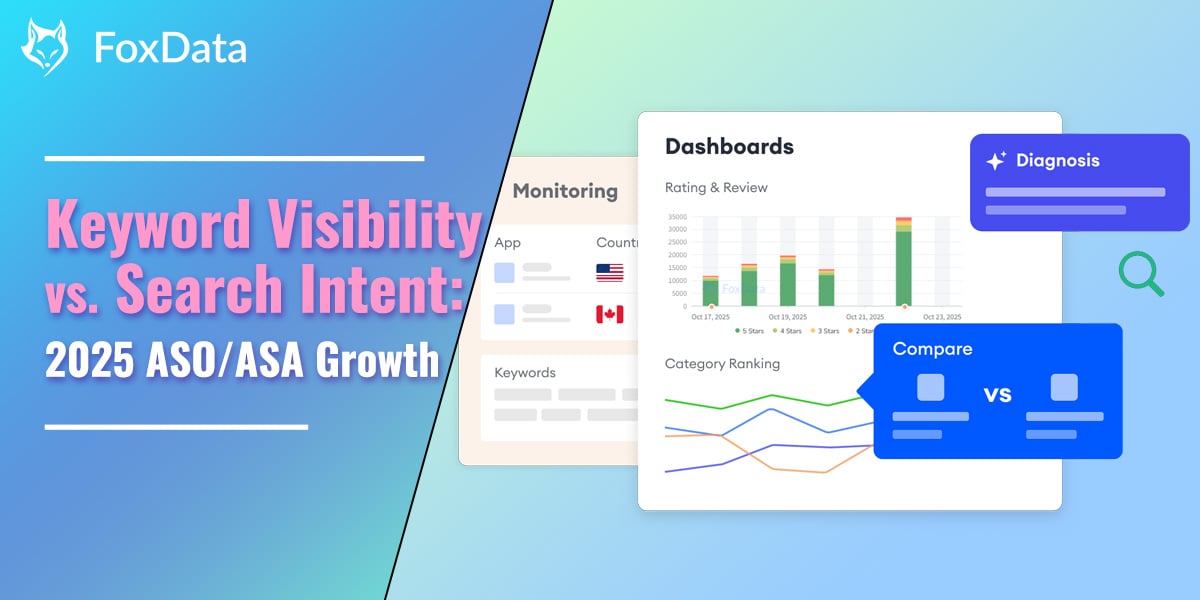
Many ASO/ASA agencies still prioritize keyword volume, ranking improvements, and metadata tweaks—yet organic installs barely increase. The issue isn’t that ASO has stopped working. In 2025, app stores prioritize user intent signals over raw keyword visibility. Agencies now face a new challenge: understanding what users actually want, not just what they search.
High rankings without intent alignment lead to wasted effort, frustrated clients, and missed upsell opportunities.
👉 Too Many Keywords, Busy Clients, Hard to Grow? Let ASO/ASA Agencies Fully Control Their Data
Across multiple markets, agencies encounter:
The largest gap: agencies track visibility metrics but lack a structured approach to evaluate intent alignment.
Common consequences:
Solution: Adopt a workflow where data → insights → decisions fit naturally together.
Visibility measures whether users can find your app. Agencies often track:
Visibility answers: “Can users see us?”
It does not answer: “Will users install us?”
Intent reflects the user’s motivation. It includes:
Intent answers: “Does the user believe this app solves their problem?”
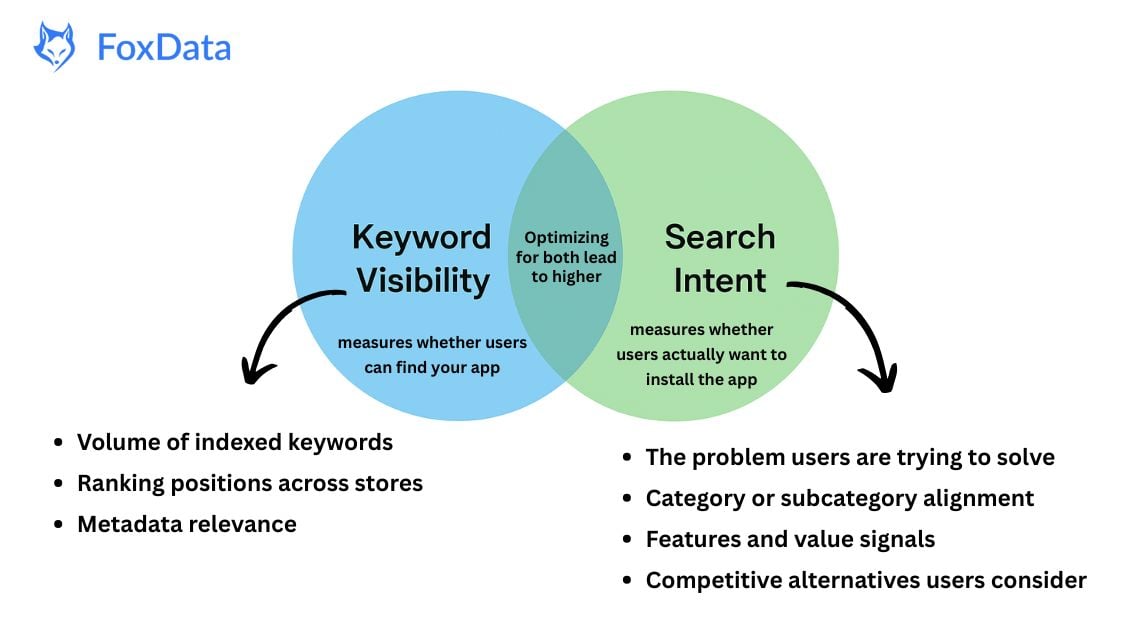
For agencies, the key is aligning visibility with intent. When keywords, metadata, screenshots, and ASA creatives all communicate the same story, conversions improve. When these elements conflict, even top-ranking apps struggle to convert impressions into installs.
Even if an app ranks #2, users may choose competitors because:
Visibility ≠ relevance.
Many agencies refresh metadata every 4–8 weeks. Without a hypothesis like:
User intent (X): People searching for a way to quickly organize their tasks
Expected value (Y): Clear features showing the app prioritizes tasks automatically and saves time
If your screenshots or title don’t communicate Y, your update may improve rankings slightly but won’t drive installs.
If ASA messaging says “Fall asleep fast” but ASO screenshots show “Guided meditation,” users get mixed signals → conversions drop → CPR rises.
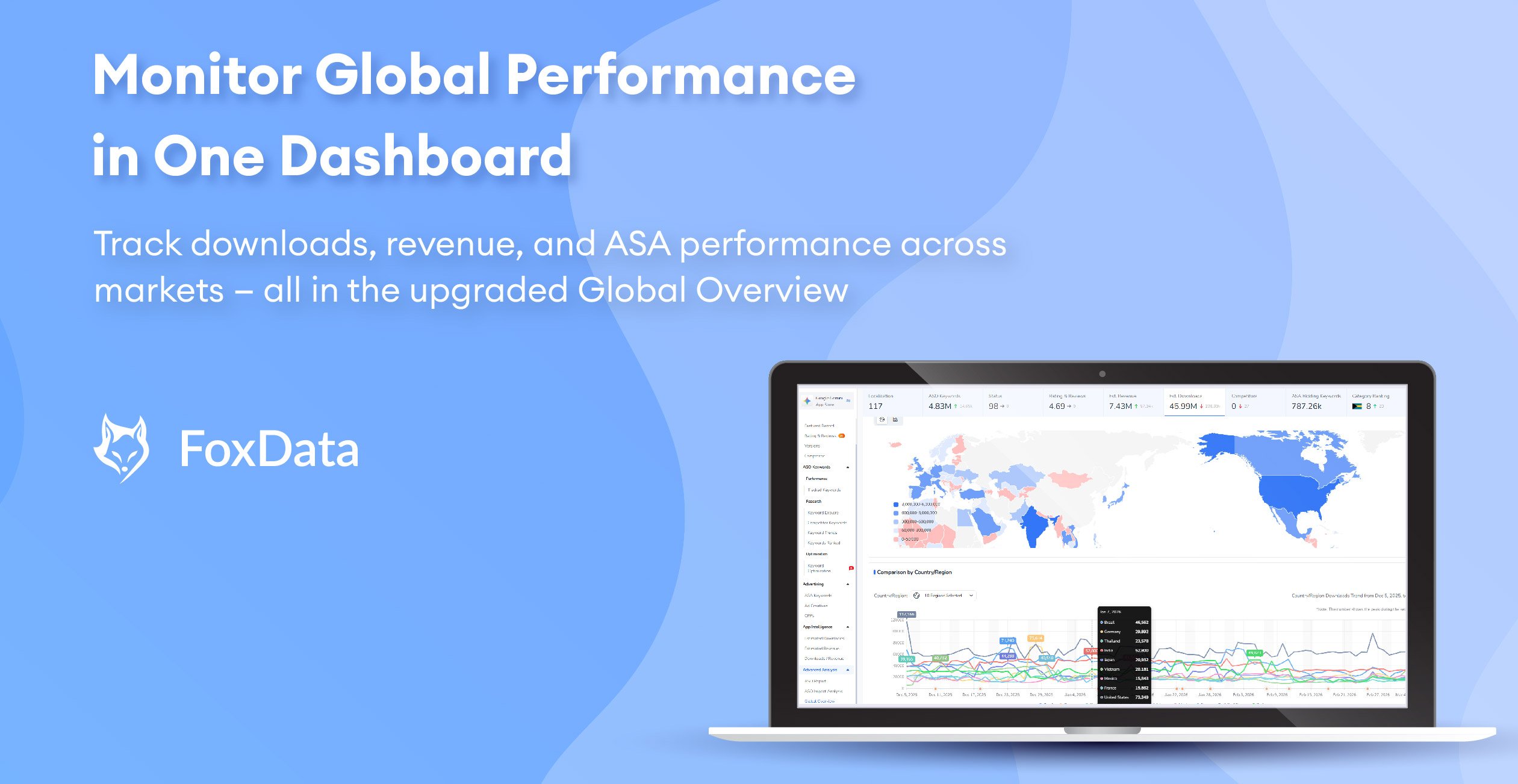
Get the latest updates in Global Overview, with all features included in the $159 package—track global app trends with ease and explore now!
This is the workflow agencies performing best in 2025 actually follow.
Group keywords by user behavior and problem, not by search volume alone.
Example — Sleep App:
|
Intent Cluster |
Signal |
What It Means |
|
Sleep Aid |
“fall asleep,” “insomnia,” “sleep sounds” |
High commercial intent |
|
Relaxation |
“calm,” “meditation” |
Mixed intent |
|
Wellness |
“anxiety relief,” “focus” |
Broader audience |
FoxData Keyword Explorer allows teams to explore keywords across multiple dimensions, analyze competitor metadata, and prioritize based on probability of satisfying user intent.
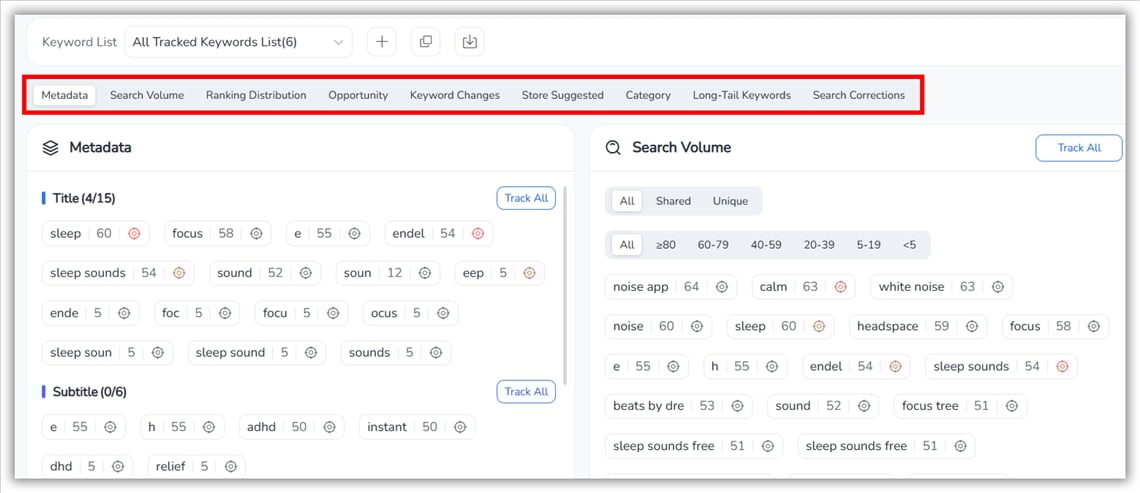
👉 How to Enhance Your App's Visibility With "ASO Keywords"
💡 Why this matters:
Not every keyword deserves your attention.
But intent clusters reveal which users come with strong install motivation.
Ensure titles, subtitles, visuals, and reviews communicate the same message.
FoxData helps identify:
➡️ Competitor value props
➡️ Screenshots driving ranking improvements
➡️ Recent category shifts
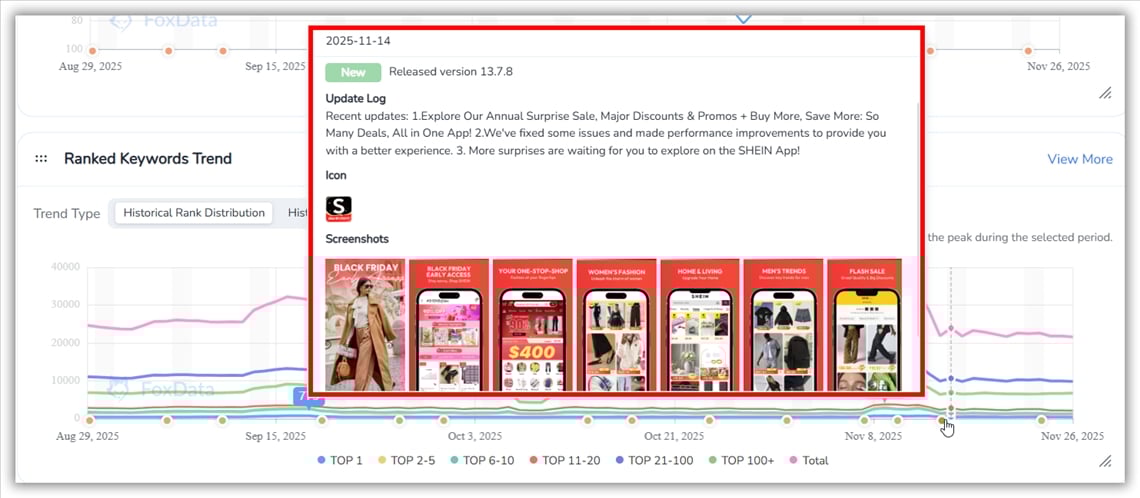
This strengthens client recommendations and prioritizes updates that matter.
Track impressions, ranking shifts, and install upticks. Avoid assuming success based on rankings alone.
Use FoxData Review Management Tools to capture user reactions and feed insights into the next update cycle.
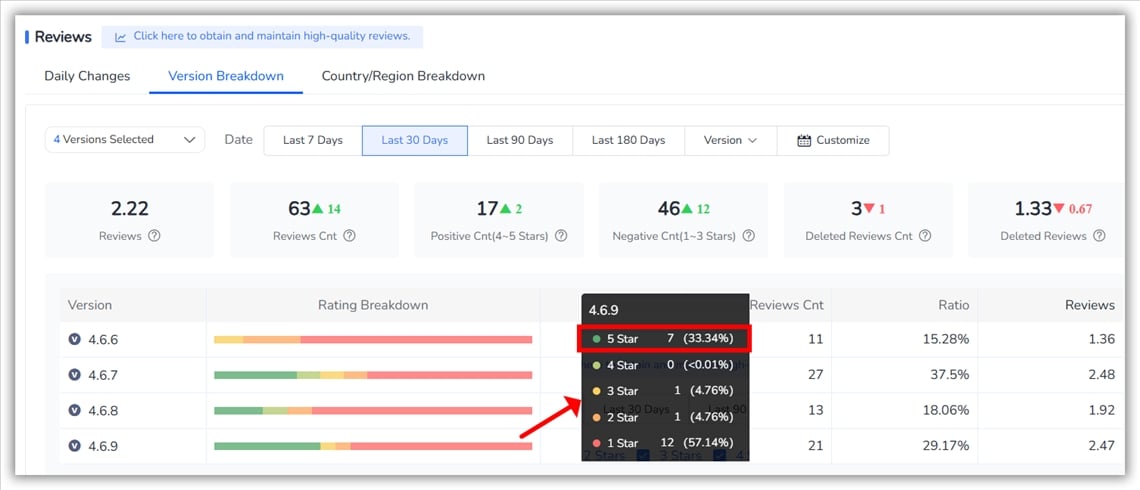
💡 Why this matters:
Ranking improvements with no conversion lift indicate intent mismatch, wrong cluster, or misaligned messaging.
ASA campaigns influence ASO performance. Align bids and creatives with high-intent keyword clusters for maximum conversion lift. Track organic lift to measure paid campaigns’ impact on discoverability.
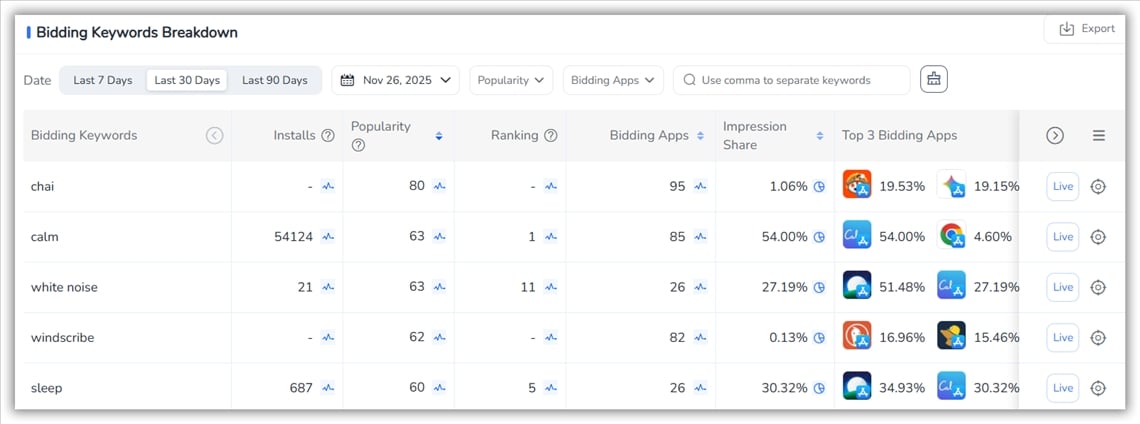
👉 How to Set Up Apple Search Ads Campaigns That Actually Drive Installs
App store algorithms constantly evolve. Iterative updates ensure sustained growth, reduce wasted effort, and improve client reporting.
Two meditation apps ranked top five for “sleep sounds.”
App A: Generic screenshots, mentions meditation but not sleep-specific features
App B: Screenshots say “Fall Asleep in Minutes,” includes sleep playlists, reviews highlight insomnia relief, ASA creative matches ASO
Even though App A ranked higher, App B saw a higher install rate.
Why? It aligned metadata, screenshots, and ASA creatives with user intent.
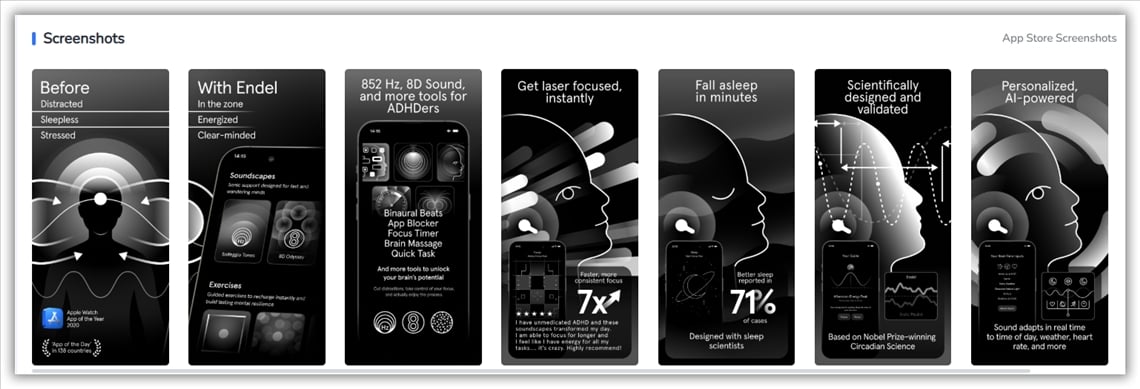
Lesson: Agencies must prioritize intent-first optimization, not just visibility.
Structured, scalable workflows are crucial for agencies. FoxData helps teams execute each step faster:
Keyword Explorer → group keywords by problem solved.
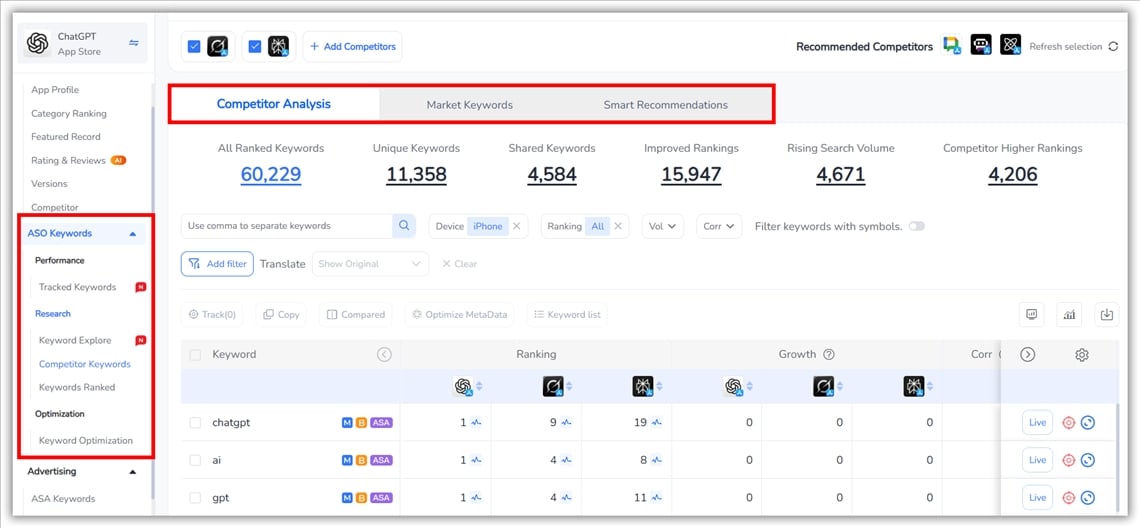
👉 A Comprehensive Guide for Competitor's ASO Keywords Research
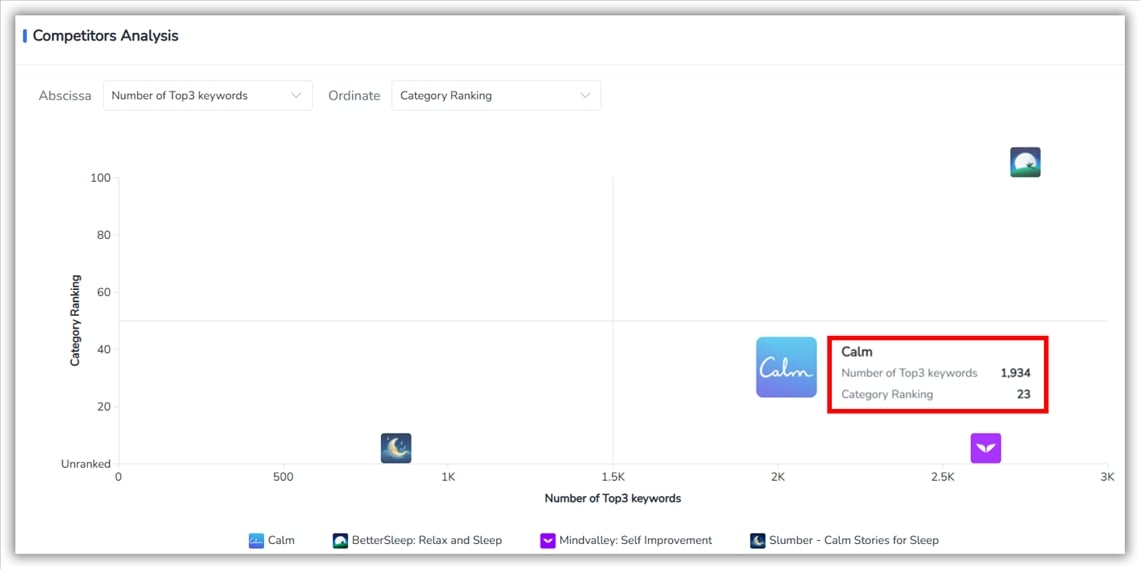
Competitors Analysis → find winning value props.
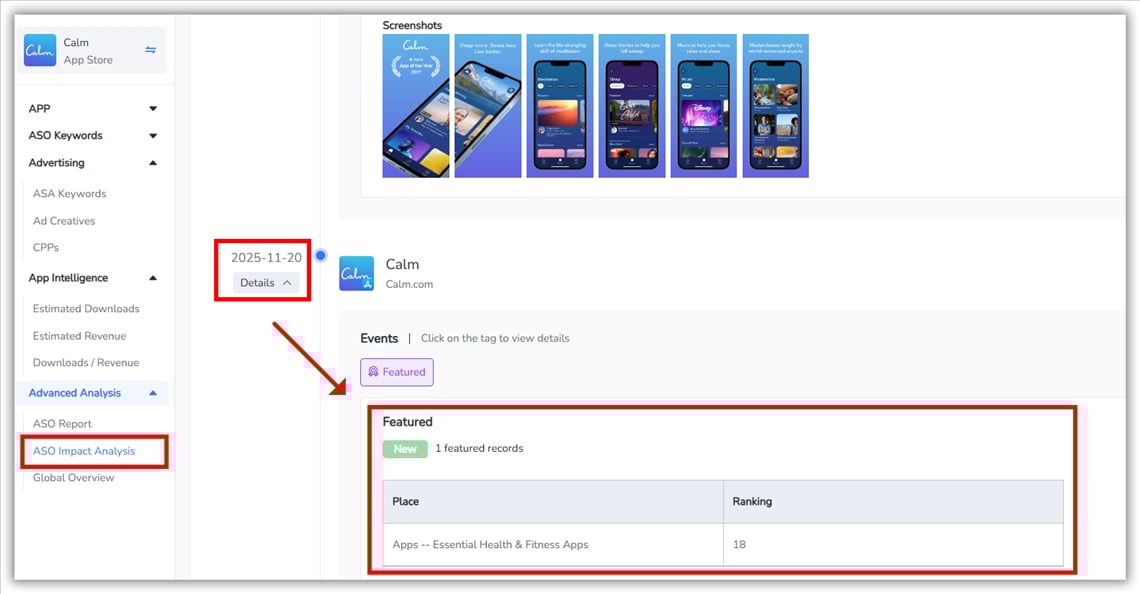
FoxData- ASO Impact Analysis Tools → connect updates with real data.
ASA + Organic trend mapping → show how paid supports organic.
👉Explore the All-New FoxData ASO/ ASA Module — Smarter ASO, Smoother Workflow
Agencies using FoxData can reduce manual analysis, strengthen client retention, and free up bandwidth for strategic initiatives—all without forcing a hard sell.
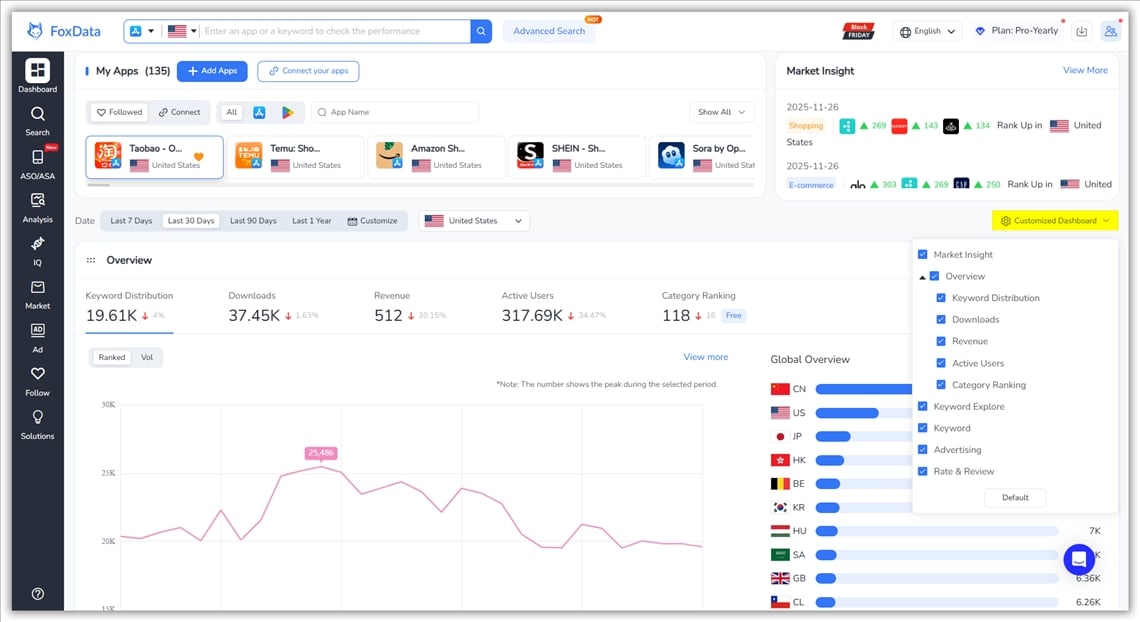
Agencies can take immediate action to turn visibility into real growth:
1. Map each client’s intent clusters instead of chasing volume alone
FoxData Black Friday 2025 is live — up to 50% off.
Agencies scaling ASO/ASA in Q4 can take advantage of this opportunity to implement intent-driven workflows and show measurable results to clients.
Keyword visibility gets attention, but intent wins installs. Agencies that master this balance will see more consistent growth, smoother reporting, and stronger client retention.
FoxData transforms reactive optimization into repeatable, measurable workflows—especially during peak seasons.
👉 Start your FoxData plan now.
📚 Recommended reading:
© 2020-2026 FoxData. All Rights Reserved.