



Explore More Possibilities for Your Business
Full-cycle scenario construction to meet your needs from App research, development, and release to operation.
Ready for your soaring growth

Your clients trust you with their app's visibility.
They rely on your agency to find the right keywords, pick the right bids, and deliver real rankings. But here is the hard truth: most agencies are still working with incomplete data.
Gut instinct only takes you so far. Spreadsheets age out within days. Manual keyword checks cannot keep pace with today's rapid algorithm changes.
The result? Wasted ad spend, missed ranking opportunities, and frustrated clients.
The good news is this is a solvable problem. Agencies that invest in better keyword intelligence consistently outperform those relying on outdated research methods. And the gap is widening every quarter.
This article breaks down what is going wrong, why data is the fix, and how modern ASO and Apple Ads platforms can transform your keyword strategy into a genuine competitive advantage.
As of early 2026, the Apple App Store hosts approximately 2.2 million apps, while Google Play offers around 2.3 million — together putting over 4.5 million apps in front of users across both platforms, according to app intelligence firm 42matters. This is not the same market from two years ago. Every category is crowded. Every keyword is contested.
Research shows that 70% of App Store visitors use search to discover apps, and nearly 65% of downloads happen directly after a search. Keyword visibility is not a nice-to-have — it is the most important organic lever your agency can pull for every client.
Yet most agencies are optimizing for a version of the App Store that no longer exists.
Discover how FoxData enhances data protection and security standards to keep your analytics safe and reliable.
Two major shifts happened in early 2026 that your keyword strategy must account for.
First, Apple officially confirmed that additional ads now appear in App Store search results starting in March 2026, with a phased rollout beginning in the UK and Japan before expanding globally. More paid placements mean fewer organic positions above the fold. Competition for high-intent keywords has intensified overnight.
Second, Apple doubled the maximum number of Custom Product Pages from 35 to 70 active pages, and marketers can now manually assign keywords to each CPP so they appear in organic search results for those specific terms. This changes how keyword-to-page mapping works at a fundamental level. Agencies that are not building CPP strategies around keyword clusters are missing a significant new ranking opportunity.
The biggest ASO trend of 2026 is how AI is changing app store search algorithms. Apple's App Store search now interprets what users mean, not just what they type — surfacing apps based on intent even when exact phrases do not appear in metadata.
This matters for keyword strategy in a direct way. Traditional keyword density calculations have given way to semantic search that understands user context and intent. Stuffing a keyword field with high-volume terms is no longer enough. Your metadata needs to reflect how real users describe their problems — not just which terms generate search volume.
Visibility no longer begins exclusively on the results page. It begins when a user starts typing, and auto-suggestions shape the query before results even load. If your client's app is not surfaced in autocomplete suggestions for relevant terms, it may never reach the ranking stage — regardless of how strong its position would be.
Most agencies start with a list of obvious category keywords. Then they never revisit it.
But Apple's algorithm now recognizes synonyms and related terms, and post-install engagement metrics like session length, retention, and in-app actions are weighted more heavily in ranking than before. A keyword strategy that ignores user behavior signals is only doing half the job.
Intent-aligned metadata — written the way users actually describe their needs — now outperforms raw keyword density in most categories.
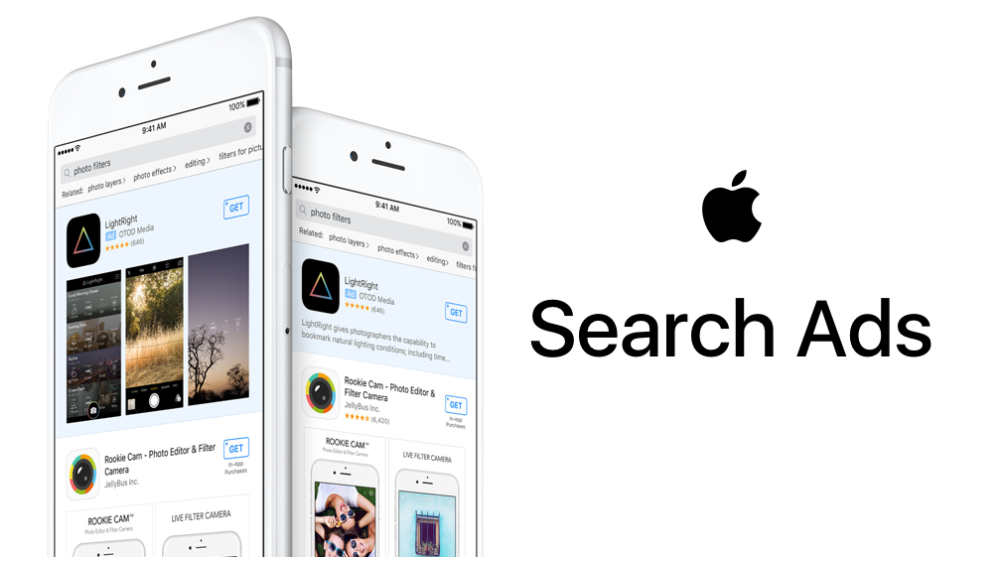
Apple's rebrand from Apple Search Ads to Apple Ads signals broader ambitions beyond search. The platform is expanding. Agencies that treat ASO and Apple Ads as separate workstreams are leaving money on the table.
The keywords that drive your paid installs tell you exactly what users are searching. The terms where you rank organically should directly inform your bidding strategy. And with CPPs now assignable to specific keywords for organic discovery, the line between paid and organic has effectively blurred.
If your agency does not have a unified keyword intelligence layer connecting both sides, you are operating with a blindfold on.
Google Play has introduced short-form video content surfaces in 2026, creating scrollable, immersive discovery experiences that reduce reliance on purely keyword-driven rankings.
This does not mean keywords no longer matter on Android. It means your keyword strategy must now account for engagement signals and behavioral clustering alongside metadata optimization. Apps that generate strong session metrics and retention are being surfaced more prominently — even for competitive terms.
Without data that connects keyword performance to downstream engagement, your Android strategy is flying blind.
Keyword strategy without competitor intelligence is keyword strategy without context.
You need to know which keywords your top competitors are bidding on. You need to see where they rank organically and when they update their metadata. Custom Product Pages have now entered organic search, and Google shifted its algorithm to weight retention over install volume. Teams that missed this have already experienced dropping rankings and reduced organic traffic.
Static competitor snapshots taken weeks ago are not intelligence. They are history.
Start by segmenting keywords into three layers: high-volume category terms, mid-volume intent-specific phrases, and long-tail conversational queries that match how users actually describe their problem.
Assess difficulty against your client's current authority and ranking position. Then map each keyword tier to the right placement — title, subtitle, keyword field, or CPP assignment — based on search weight and competition level.
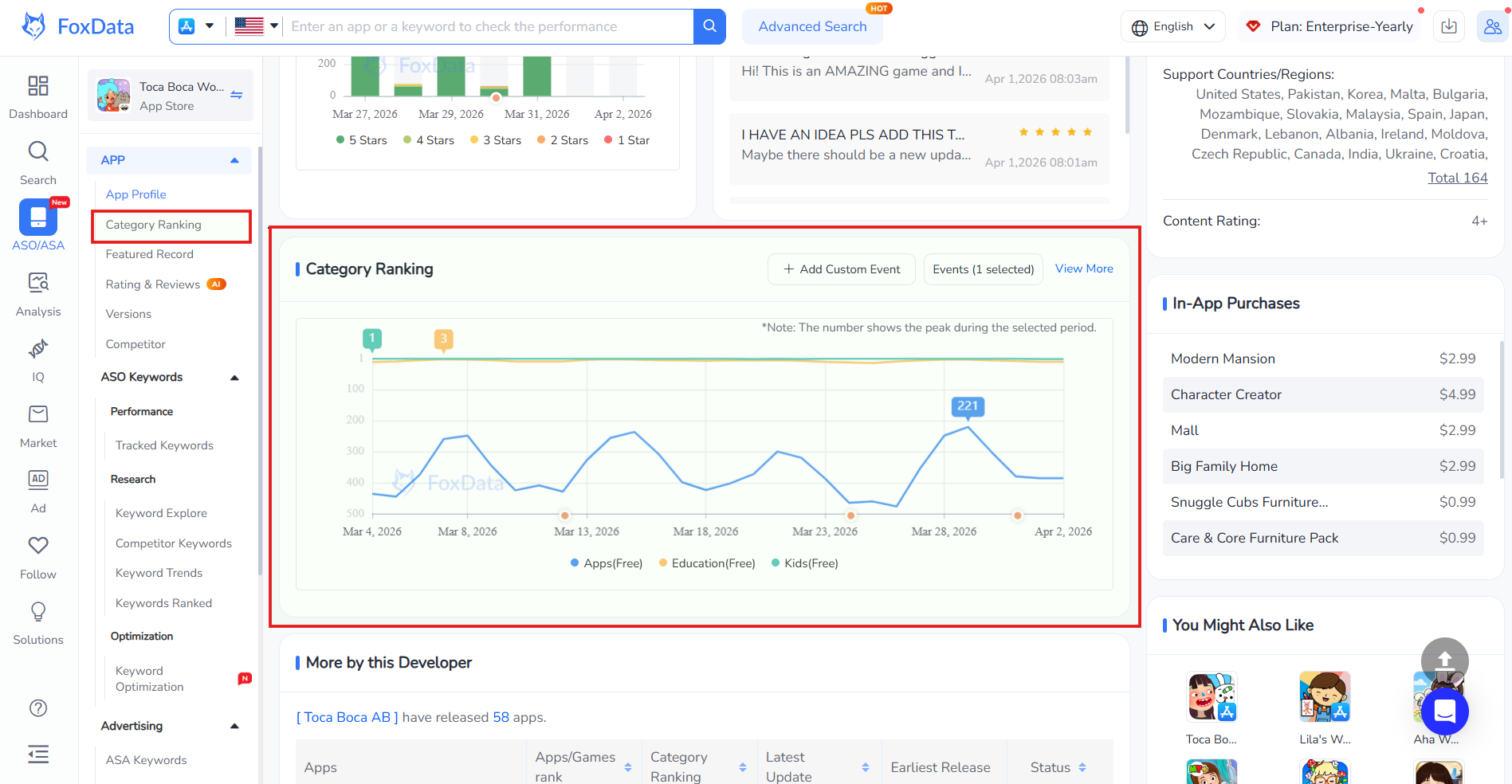
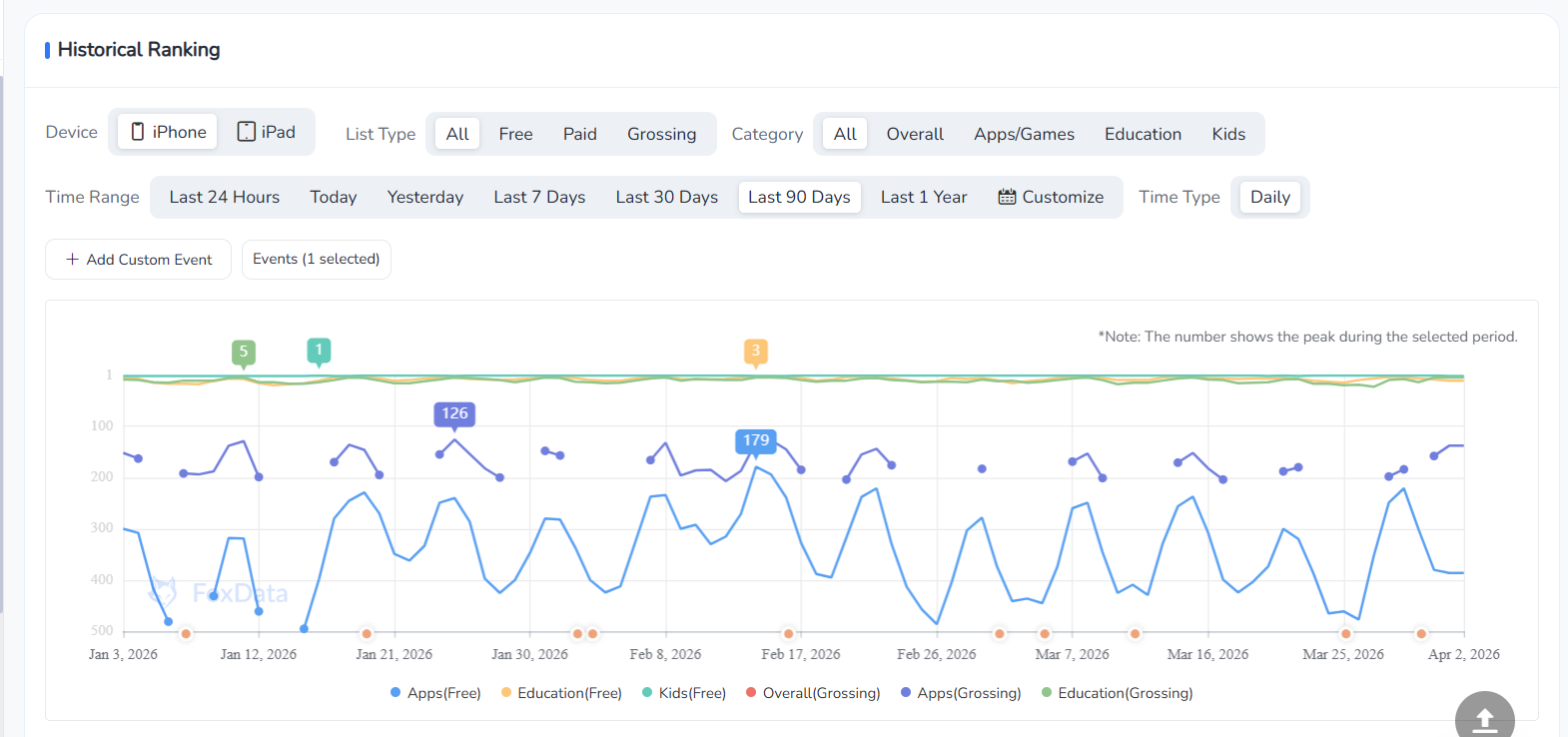
For agencies managing multiple clients across categories, FoxData's ASO and ASA agency data solution provides unified keyword intelligence across both organic and paid channels. This is the type of infrastructure that makes intent-based keyword strategy scalable across a portfolio.
Ranking changes tell you what the algorithm is responding to. But you need granular, keyword-level data — not just overall chart position.
Effective strategies now require securing presence at the auto-suggestion stage, integrating paid and organic initiatives within a unified search architecture, and organizing optimization around intent clusters rather than disconnected keywords.
Track which keywords are appearing in autocomplete for your client's category. That is where the real visibility battle now begins.
With Apple now allowing keyword assignment to Custom Product Pages for organic discovery, every major keyword cluster your client targets should have a corresponding CPP built around it.
This is a new layer of strategy that most agencies have not operationalized yet. Those who do it first in their client categories will hold a meaningful ranking advantage. Agencies using data-driven keyword analytics for ASO and Apple Ads can identify which keyword clusters have the highest conversion potential and build CPP targeting around those signals.
Set up structured competitor tracking across all client verticals. Check which keywords competitors rank for that your client does not. Identify gaps in their CPP coverage. Look for categories where your client can capture share with lower-competition intent terms.
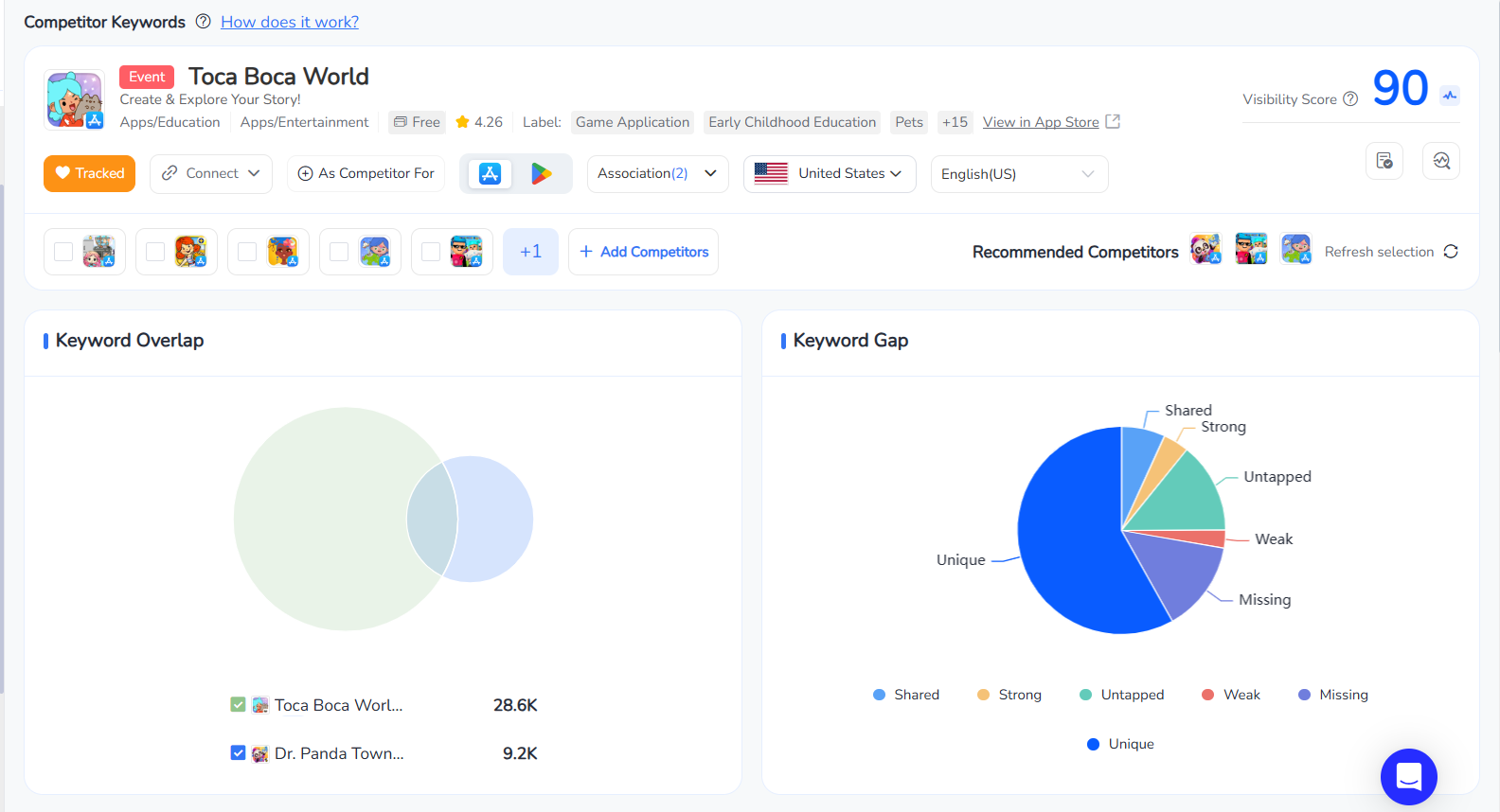
A clear keyword strategy involves defining goals, understanding the target audience, auditing metadata, analyzing competitors, and setting benchmarks — then using ASO tools to find, analyze, and track keywords effectively. This is not a one-time exercise. It is an ongoing operational rhythm.
Both Apple and Google now embrace AI to understand user intent, with Apple's Natural Language Processing expanding its interpretation of conversational, intent-based queries. Metadata that reads like a keyword list rather than a natural description is increasingly penalized.
Write for users first. The algorithm will follow.
Apple's expansion of Custom Product Pages to 70 active pages — with keyword assignment for organic search — is one of the most significant ASO changes in years. Agencies not building keyword-segmented CPP strategies for their clients are leaving organic ranking surface area unclaimed.
An ASO strategy that worked a year ago may not be optimal now. Treat ASO as an ongoing process — update metadata with new keywords as trends emerge, refresh screenshots to reflect new features, and keep an eye on competitors.
Build monthly keyword audits into every client retainer. It is not optional maintenance — it is the work.
Keywords and creatives are the same workstream now. Screenshot caption text is indexed by Apple. Autocomplete signals are influenced by how your metadata is written holistically. Your creative brief and your keyword brief should come from the same document.
The App Store is not the same platform it was even twelve months ago.
Apple Ads expanded. Organic search became more AI-driven. Custom Product Pages entered keyword-based organic ranking. Google Play added behavioral discovery surfaces. The agencies winning in this environment are not guessing — they are operating with real-time keyword intelligence, competitor visibility, and integrated data pipelines that connect organic and paid performance.
If your agency is still relying on manual research, siloed tools, or keyword lists that are not refreshed regularly, now is the time to upgrade. Your clients' rankings — and your retention rates — depend on it.
Ready to give your agency a real data advantage in 2026? Explore FoxData's ASO and Apple Ads agency data solution and see how unified keyword intelligence, competitor tracking, and real-time analytics can transform how you manage every client's app store presence.
Q: How often should an agency refresh a client's keyword strategy in 2026?
At minimum, audit keyword performance monthly and update metadata every one to two months. More frequent updates are warranted after major algorithm changes, new Apple Ads inventory expansions, or competitive category shifts. Research consistently shows that apps with frequent metadata updates rank higher than those with static listings.
Q: What changed with Apple Search Ads in 2026?
Apple rebranded the platform to Apple Ads and expanded search ad placements beginning March 2026. This added sponsored inventory in search results across multiple markets, increasing competition for top organic positions. Apple also expanded Custom Product Pages to 70 active pages with keyword-assignable organic discovery — a significant new opportunity for agencies managing keyword-to-page strategy.
Q: How should agencies handle keyword strategy across multiple client verticals?
Use a structured framework that separates keyword universes by category and user intent, not just by client. Benchmark keyword difficulty differently across verticals — a mid-difficulty keyword in a niche category may outperform a high-volume term in a crowded one. Agency-grade platforms that allow multi-client keyword tracking in one dashboard are essential at scale.
Q: Does Google Play's short-form video update affect keyword rankings?
It does affect overall visibility strategy. Google Play's new short-form video surfaces create discovery pathways based on engagement signals and behavioral clustering, not just keyword matching. This means your Android keyword strategy must be paired with strong post-install retention metrics to remain competitive. Pure metadata optimization is no longer sufficient on its own.
Ready to make your app shine? Optimize your app's visibility with FoxData, the ultimate mobile app analytics and ASO tool! Maximize downloads and rankings by leveraging our powerful insights today.
App Growth & ASO Tools by FoxData
FoxData supports every stage of app growth with specialized ASO and app analytics tools, helping teams improve keyword visibility, user acquisition, and retention through reliable data.
🔍 Store Keyword Research Tools
Research high-intent keywords, search volume, and competition to strengthen your app store optimization strategy.
📈 App Store Keyword Tools
Analyze keyword rankings and performance across the Apple App Store and Google Play to refine ASO execution.
📊 ASO Monitoring Tools
Monitor keyword ranking changes, visibility trends, and ASO impact over time with continuous performance tracking.
👥 User Activity Monitoring Tools
Understand in-app user behavior, engagement, and retention with real-time user activity analytics.
Together, these tools form FoxData’s ASO analytics and app intelligence ecosystem, designed to help developers, marketers, and growth teams make data-driven decisions and scale sustainably.
Explore it today!
👉 Learn more about FoxData here | 👉 Book a demo with FoxData team today!
© 2020-2026 FoxData. All Rights Reserved.